1.Abstract
European regions enforce stringent standards and certification requirements for EV charging equipment. This paper explores how to meet these standards—specifically addressing different IEC leakage current specifications—to reduce design complexity and costs. Through detailed analysis of mechanical coupling, electronic coupling, leakage current detection, and control circuitry within the standards, we propose a standards-compliant feasible solution. We invite readers to engage in discussion and share valuable insights and suggestions.
2.Theoretical Framework — EV Charging Equipment Standards
With the growing adoption of electric vehicles, safety and compatibility concerns regarding charging equipment have gained significant attention. Europe’s rigorous enforcement of standards positions it as a globally referenced benchmark, further reinforced by its concentration of renowned automotive manufacturers and top-tier global suppliers, showcasing the region’s industrial strength. During the current strategic transition to new energy, Europe’s EV ecosystem and supporting industries are experiencing accelerated development.
European standards (Euro Norms), recognized for their high credibility and trust, are widely adopted worldwide. Not only must export-oriented products comply strictly with these standards, but domestic Chinese standards (GB) also reference European norms in key areas. For leakage current detection in charging equipment, Europe typically applies IEC 62955 — specifying technical requirements and test methods for Residual Direct Current (RDC) devices in Mode 3 EV charging.
2.1 IEC 62955 Residual Direct Current Detecting Device (RDC-DD)
The IEC 62955 standard specifies the electrical and control requirements for conductive charging systems of electric vehicles. This standard details multiple aspects of DC leakage protection devices in charging stations, including mechanical design, protective measures, insulation characteristics, temperature rise limits, and operational characteristics. Regarding mechanical design, IEC 62955 mandates that the RDC-DD module must feature a mechanical coupling disconnection function, as shown in Figure 1.
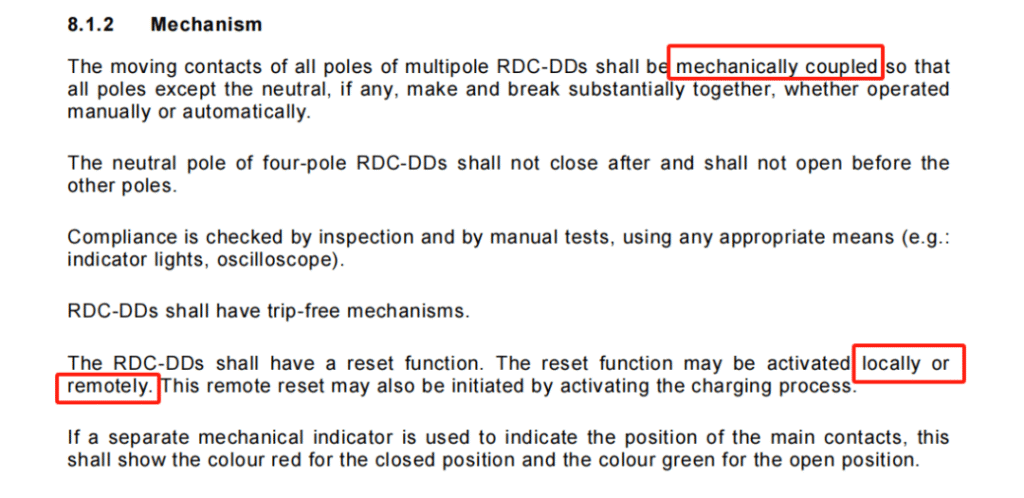
figure1:IEC 62955 8.1.2
This means the RDC-DD module must be capable of mechanically actuating its associated protective devices (such as circuit breakers or RCDs) to disconnect the circuit, as shown in Figure 2. Such mechanical coupling can be achieved through linkages, gears, or similar mechanical coupling components, ensuring rapid circuit disconnection upon detection of DC residual currents exceeding preset thresholds, thereby protecting the electric vehicle charging system. However, this functional requirement for mechanical coupling disconnection will significantly increase design complexity and cost.
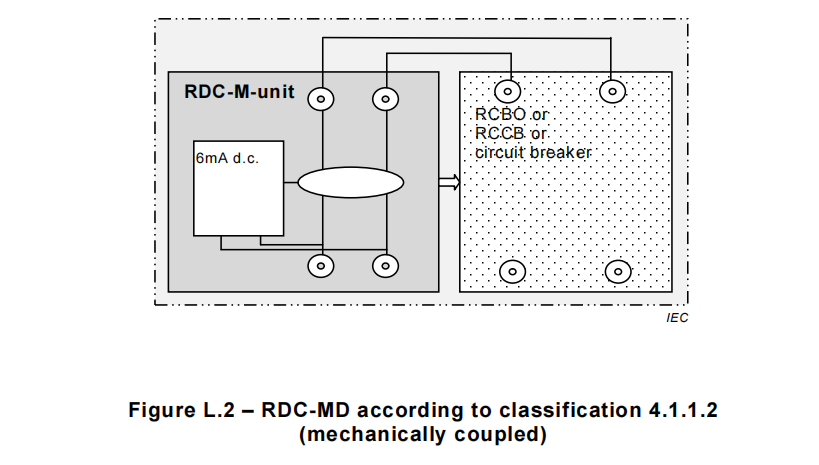
figure2:IEC 62955 ANNEX L L.2
The standard also introduces an electronic coupling approach, utilizing electrical signals to control the disconnection mechanism. In this configuration, products must incorporate a Type A RCD module to ensure rapid circuit disconnection when DC residual current exceeds 6mA, thereby protecting the EV charging system. However, Type A earth-leakage protection remains more costly compared to circuit breakers or relays.
Notably, the standard permits achieving Type A protection through a “CT + circuit breaker/relay” configuration, presenting an alternative solution for leakage current protection—specifically the “RDC-M module + circuit breaker/relay” approach.
The RDC-M module + relay solution offers a design simplification and cost-reduction alternative, serving as an ideal resolution. This design still requires a Type A RCD module. To minimize costs, charging station manufacturers typically indicate in specifications: “Installation of an additional Type A RCD at the distribution side is required per local regulations,” as illustrated in Figure 3.
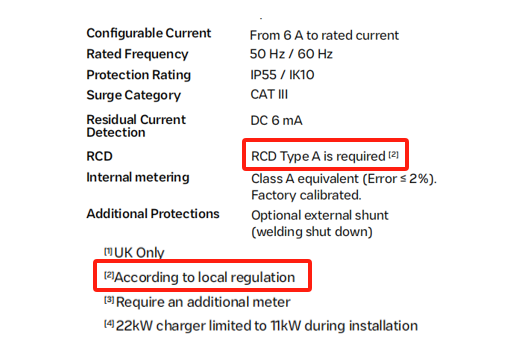
figure3:Technical Specifications for a European-made EV Charging Station
2.2 IEC 60957-2 Standard for Low-voltage Switchgear and Controlgear
Through careful interpretation of the standard, it becomes evident that the drafters prioritized reliability through mechanical coupling methods and emphasized safety provisions for manual disconnection reset. Strictly speaking, Type A RCDs providing fundamental safety protection are irreplaceable and must incorporate DC 6mA detection capability to prevent protective device “blinding” and deliver supplemental protection.
Within the IEC standards framework, the IEC 60947-2:2024 standard addresses requirements for low-voltage switchgear and control circuits. Notably, Annex M comprehensively specifies technical requirements for leakage current disconnection control devices. However, while this annex details leakage current specifications, it does not explicitly define implementation specifics regarding coupling methodologies, as illustrated in Figure 4.

figure4:Connection Arrangements of IEC 60947-2 Annex M
Section M3 of IEC 60947-2:2024 Annex M describes connection arrangements without specifying coupling methodologies, explicitly endorsing both electronic and mechanical coupling approaches. This permits designers to adopt design-simplified electronic coupling solutions.
To ensure coupling safety, Clause M.8.9 mandates rigorous failure-mode validation (Figures 5-6), requiring verification of the RCD’s ability to detect circuit connection anomalies. This self-diagnostic functionality assesses coupling reliability, guaranteeing swift and dependable power disengagement upon detection of abnormal DC residual currents during EV charging.
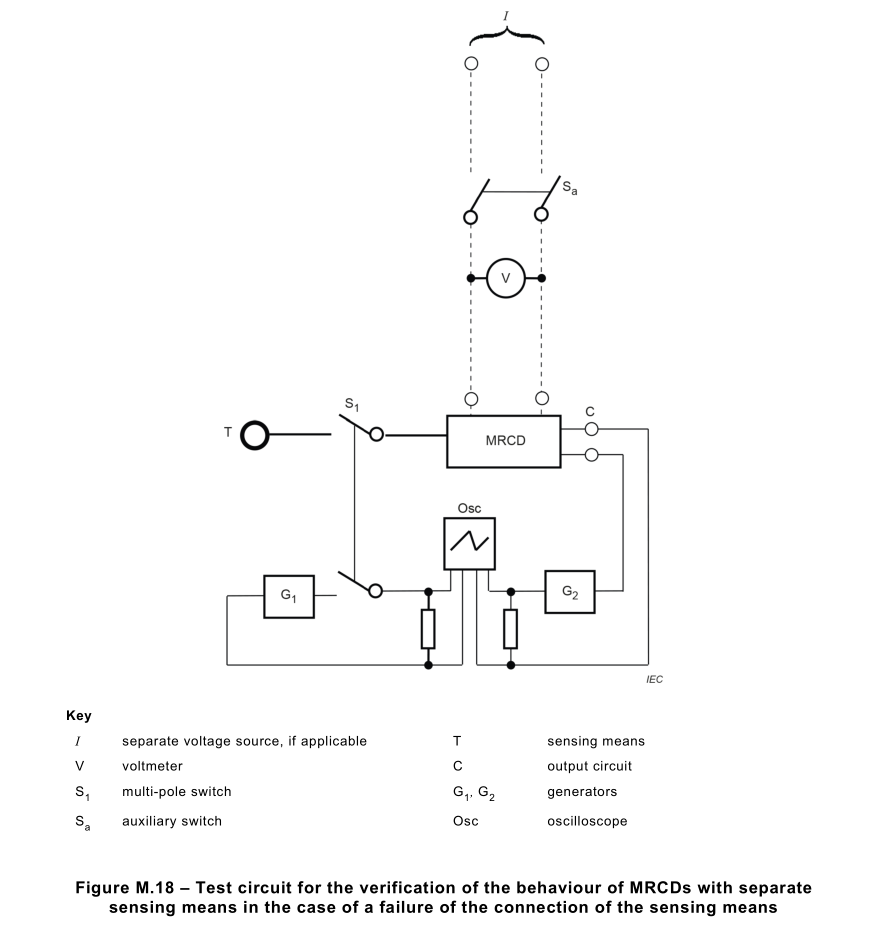
figure5:Failure-Mode Test Circuit for IEC 60947-2 Annex M Clause M.18
figure6:Failure-Mode Test Circuit for IEC 60947-2 ANNEX M.8.9
From the perspective of coupling methodologies, the issue of design complexity has been resolved. The focus now shifts to technical requirements and testing methods for leakage currents. In the EV charging domain, leakage current detection typically follows the “IEC 61008 + IEC 62955” framework – known as the “Type A + 6mA” test standard.
However, IEC 60947-2:2024 does not explicitly reference this requirement. Annex M (specifying MRCD modules) covers leakage current performance criteria for Type A, AC, and Type B protection classes, as illustrated in Figure 7. Crucially, Type B standards must be adopted for EV charging systems.
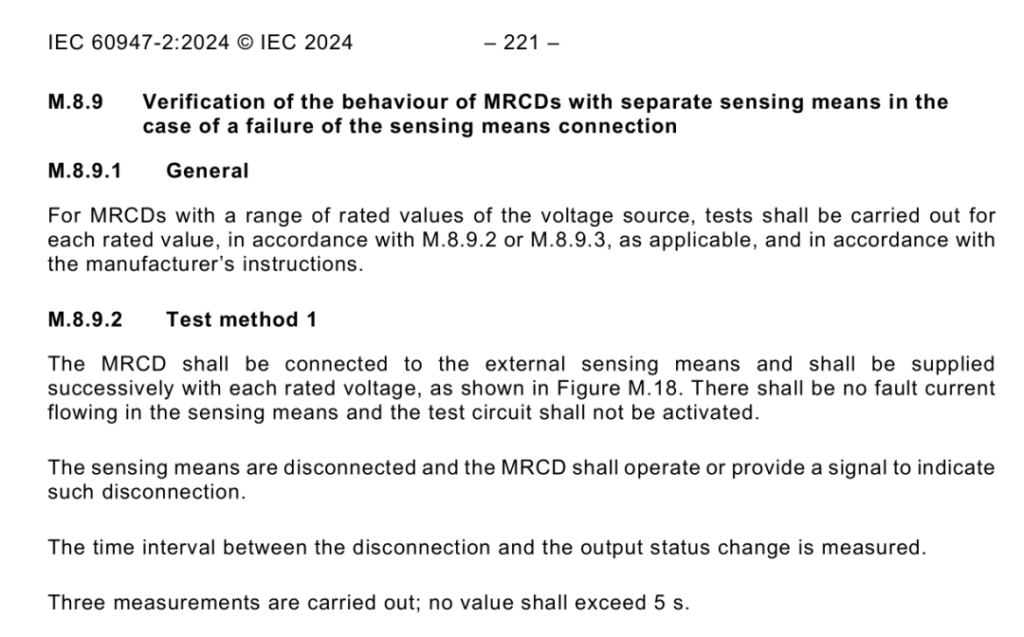
figure7:Functional Classification per IEC 60947-2 Annex M Clause M.3.5
For the TYPE B test, ANNEX-M does not reference other standards. However, ANNEX-B.4.4.3 provides a stand-alone description for TYPE B testing. Although no explicit reference is made, a comparison of the test clauses reveals that the test items align with the descriptions in IEC 62423:2009, as shown in Figures 8 and 9.
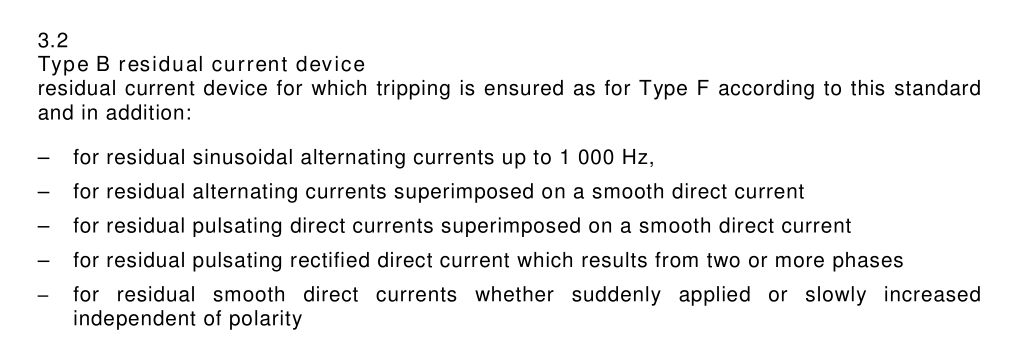
figure8:IEC 62423 3.2 Type B test description
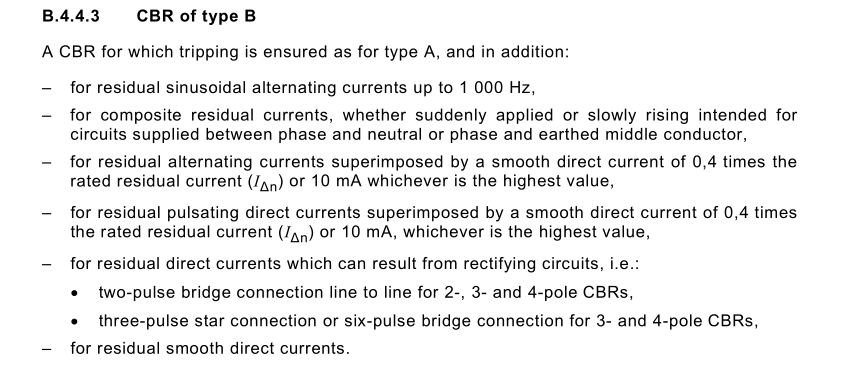
figure9:IEC 60947-2 ANNEX B B.4.4.3 Type B test description
3.Conceptual Model
European regulations for charging piles are stringent. However, by deeply understanding the IEC 62955 and IEC 60947-2 standards while balancing three key considerations—standard compliance, design complexity, and cost control—adopting the IEC 60947-2 standard for Type B residual current detection could circumvent rigorous certification requirements and reduce design costs. The feasibility of this approach remains open for discussion.
Naturally, choosing IEC 60947-2 does not imply compromised safety. Rather, it ensures safety while offering greater design flexibility, enabling clients to adapt swiftly to market changes and meet diverse regional/application demands. Magtron’s cost-effective, low zero-drift, high-bandwidth residual current sensors—powered by proprietary iFluxgate® technology—deliver precise leakage detection with integrated Type B functionality. Additionally, our in-house developed SoC chips provide customized technical solutions. Continuously upgraded to address real-time market needs, they resolve current/leakage current monitoring challenges across industries like industrial automation, electric vehicles, and energy storage, safeguarding electrical equipment reliability worldwide.
4.References
- [1] IEC 62955. Residual direct current detecting device (RDC-DD) to be used for mode 3 charging of electric vehicles International Electrotechnical Commission, Geneva, Switzerland.
- [2] IEC 60947-2. Low-voltage switchgear and controlgear –Part 2: Circuit-breakers International Electrotechnical Commission, Geneva, Switzerland.
- [3]IEC 62423. Type F and type B residual current operated circuit-breakers with and without integral overcurrent protection for household and similar uses. International Electrotechnical Commission, Geneva, Switzerland