
Welcome to Magtron
HVDC Contactors
Safe, Reliable Switching for High-Voltage DC Applications
What is an HVDC Contactor?
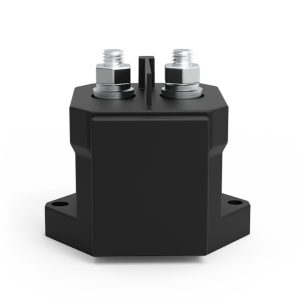
An HVDC Contactor (High Voltage Direct Current Contactor) is a switching device designed to safely connect and disconnect high-voltage DC circuits. Unlike AC contactors, DC contactors face challenges when interrupting current, as DC does not have a natural zero-crossing point. This creates persistent arcing, which can be difficult to extinguish. Magtron’s HVDC contactors are engineered to reliably extinguish these arcs and ensure safe operation in high-load conditions.
These contactors are integral to high-voltage DC systems such as electric vehicle battery packs, energy storage systems (ESS), and photovoltaic (PV) inverters, where they provide essential protection during normal operation, charging, maintenance, or fault conditions.
Key Advantages
Why Choose Our HVDC Contactor for Your Applications
Capable of safely interrupting high short-circuit currents without failure.
Protects contacts from humidity, dust, and oxidation, ensuring long-term reliability.
High-efficiency design allows for a smaller footprint compared to traditional air-break contactors.
Minimizes power loss and heat generation in the main circuit.
Symmetrical design allows for breaking current in both directions, ideal for battery charge/discharge cycles.
Integrated auxiliary contact provides feedback on the main contact's status to the system controller (BMS/VCU).
The Technology Inside: Ceramic Brazing & Gas Filling
Magtron’s HVDC contactors utilize advanced arc-quenching technologies, including ceramic brazing and gas filling.
Arc-Quenching Chamber
The arc-quenching chamber is a critical element in Magtron’s HVDC contactors, designed to ensure safe disconnection of high-voltage DC circuits. This chamber encapsulates the main contacts using ceramic brazing technology, which provides superior airtight sealing. This airtight feature protects the contacts from harmful environmental elements such as dust, moisture, and oxidation, ensuring long-term performance and reliability.
- Enhanced Sealing
- Increased Durability
- Efficient Arc Control
- Low Maintenance
Inert Gas Filling
Inside the arc-quenching chamber, an inert gas mixture of hydrogen and nitrogen plays a key role in safely extinguishing arcs when the contacts open. This gas mixture is designed to cool and suppress the arc, allowing the contactor to safely interrupt high-voltage DC circuits. The use of inert gas ensures that the contactor maintains reliable performance even in extreme operating conditions.
- Rapid Arc Extinguishing
- Stable Operation Under High Loads
- Enhanced Safety
- Long-Term Reliability
application
Applications in Detail
In the electric vehicle industry, HVDC contactors are critical components for ensuring the safe operation of EV battery packs and charging systems. These contactors provide safe isolation and ensure the system can disconnect safely during charging, discharging, or fault conditions.
- Battery Protection
- Efficient Energy Transfer
- Safety during Maintenance
In energy storage systems, HVDC contactors play a crucial role in managing the safe disconnection and connection of battery systems and inverters. They provide essential protection during charging cycles, system faults, and operational conditions.
- Battery Charge/Discharge Monitoring
- System Isolation
- Scalable Solutions for Large-Scale Systems
HVDC contactors are integral to the safe and efficient operation of solar power systems, ensuring proper disconnection of DC circuits from solar panels, inverters, and battery storage units. They play a key role in maintaining system safety, efficiency, and reliability.
- Solar Inverter Protection
- Reliable DC Circuit Break
- Energy Storage Integration
application
Applications in Detail
In the electric vehicle industry, HVDC contactors are critical components for ensuring the safe operation of EV battery packs and charging systems. These contactors provide safe isolation and ensure the system can disconnect safely during charging, discharging, or fault conditions.
- Battery Protection
- Efficient Energy Transfer
- Safety during Maintenance
In energy storage systems, HVDC contactors play a crucial role in managing the safe disconnection and connection of battery systems and inverters. They provide essential protection during charging cycles, system faults, and operational conditions.
- Battery Charge/Discharge Monitoring
- System Isolation
- Scalable Solutions for Large-Scale Systems
HVDC contactors are integral to the safe and efficient operation of solar power systems, ensuring proper disconnection of DC circuits from solar panels, inverters, and battery storage units. They play a key role in maintaining system safety, efficiency, and reliability.
- Solar Inverter Protection
- Reliable DC Circuit Break
- Energy Storage Integration
application
Applications in Detail
In the electric vehicle industry, HVDC contactors are critical components for ensuring the safe operation of EV battery packs and charging systems. These contactors provide safe isolation and ensure the system can disconnect safely during charging, discharging, or fault conditions.
- Battery Protection
- Efficient Energy Transfer
- Safety during Maintenance
In energy storage systems, HVDC contactors play a crucial role in managing the safe disconnection and connection of battery systems and inverters. They provide essential protection during charging cycles, system faults, and operational conditions.
- Battery Charge/Discharge Monitoring
- System Isolation
- Scalable Solutions for Large-Scale Systems
HVDC contactors are integral to the safe and efficient operation of solar power systems, ensuring proper disconnection of DC circuits from solar panels, inverters, and battery storage units. They play a key role in maintaining system safety, efficiency, and reliability.
- Solar Inverter Protection
- Reliable DC Circuit Break
- Energy Storage Integration
Technical Specifications
| Series | Model | Package Style | Product Certification | Rated Working Voltage | Rated Operating Current | Load Polarity | Auxiliary Contact | Driving Voltage | Mechanical Life | Application |
|---|---|---|---|---|---|---|---|---|---|---|
| HVDC Contactor (epoxy type) | JCE-150P |
|
3C/CE | 12-1000VDC | 150A | No Polarity | Optional | 9~36VDC | 300,000 times | Charging Piles, Photovoltaics, Energy Storage, New Energy Vehicles |
| JCE-200P |
|
3C/CE | 12-1000VDC | 200A | No Polarity | Optional | 9~36VDC | 300,000 times | Charging Piles, Photovoltaics, Energy Storage, New Energy Vehicles | |
| JCE-250P |
|
3C/CE | 12-1000VDC | 250A | No Polarity | Optional | 9~36VDC | 300,000 times | Charging Piles, Photovoltaics, Energy Storage, New Energy Vehicles | |
| JCE-300P |
|
3C/CE | 12-1000VDC | 300A | No Polarity | Optional | 9~36VDC | 300,000 times | Charging Piles, Photovoltaics, Energy Storage, New Energy Vehicles |
How to Select Your Contactor?
Table of Contents
1. Determine Voltage and Current Ratings
2. Select the Contacting Technology
3. Consider System Integration and Mounting Type
4. Evaluate Switching Speed and Response Time
5. Assess Environmental and Safety Standards
6. Consider the Expected Lifespan and Maintenance Requirements
7. Conclusion
Determine Voltage and Current Ratings
The first step in selecting a HVDC contactor is determining the voltage and current ratings that match your system’s specifications. The contactor must be rated for the maximum voltage and maximum current your system will experience.
Voltage Rating:
Magtron offers HVDC contactors with voltage ratings that range from 12V DC to 1000V DC. It’s essential that the contactor’s voltage rating exceeds the maximum voltage in your system to ensure reliable operation. For example, energy storage systems and electric vehicle charging stations typically operate in the 200V to 800V range, while some high-end industrial applications may exceed this range.Current Rating:
Choose a contactor that can handle the peak current your system may experience. Magtron’s JCE Series contactors are designed to support current ratings from 150A to 300A, suitable for a wide range of high-power applications. For more demanding applications, larger ratings may be needed, so it’s important to select based on your system’s expected load and short-circuit current conditions.Overcurrent Protection:
In high-voltage DC systems, overcurrent protection is essential to prevent damage. Choose a contactor that has the appropriate current interrupting capacity to handle fault conditions without risk of damage or failure.
Select the Contacting Technology
Magtron offers two key contacting technologies that ensure efficient switching in high-voltage DC circuits. Choosing the correct technology will impact the overall performance and efficiency of your system.
Ceramic Brazing Technology:
This technology involves sealing the main contacts of the contactor in a ceramic brazed chamber. This hermetically sealed environment ensures that the contactor can handle high-temperature conditions, protect against moisture, and minimize oxidation, all of which are critical for maintaining long-term reliability and performance in harsh environments.Gas-Filled Arc Quenching:
For applications with high-current switching requirements, Magtron’s gas-filled contactors use a controlled mixture of hydrogen and nitrogen gases. This gas helps to cool and quench arcs efficiently when the contacts open, ensuring that the contactor can handle high-power DC circuits without causing arc-induced damage to the contacts and surrounding components.Choosing the Right Technology:
If your application involves frequent switching or high-current interruptions, the gas-filled arc-quenching technology will provide superior performance. For systems with lower switching frequency but requiring high reliability, the ceramic brazing technology is an excellent choice.
Consider System Integration and Mounting Type
How the HVDC contactor integrates into your system is another key factor in the selection process. Consider the mounting type and control voltage compatibility to ensure seamless integration.
Mounting Type:
Magtron’s JCE Series contactors support DIN rail mounting and screw mounting, which are ideal for different installation environments. DIN rail mounting is the most common method for industrial control panels and offers quick and easy integration into existing control cabinets. Screw mounting is often preferred in environments where the contactor may need to be fixed or adjusted.Control Voltage:
Make sure that the contactor’s control voltage is compatible with your system’s control requirements. The JCE Series offers contactors with 12V DC, 24V DC, and 48V DC control voltage options, which are commonly used in both industrial and commercial applications. Ensure that the control voltage fits within your system’s design, which is essential for safe and reliable operation.Form Factor:
Some applications may require compact designs to fit into limited spaces, such as electric vehicles or small-scale renewable energy systems. Magtron’s contactors are designed to be space-efficient, allowing easy integration even in space-constrained systems.
Evaluate Switching Speed and Response Time
In high-voltage DC systems, the switching speed and response time of the contactor are crucial for ensuring the system’s safety and efficiency.
Switching Speed:
Magtron’s HVDC contactors are designed for fast switching, ensuring that the contacts open and close rapidly when required. A faster switching speed is especially important for systems like electric vehicle charging stations, where rapid disconnection of the circuit during fault conditions is essential for safety.Response Time:
The response time of the contactor refers to how quickly it reacts to switching commands. For critical systems such as battery protection in energy storage systems or solar inverters, Magtron’s contactors offer a low response time (typically <10ms), ensuring that the circuit disconnects in real-time to prevent damage from short circuits or overvoltage conditions.Arc Extinction Speed:
In DC circuits, arc quenching must happen very quickly to prevent arcing damage. Magtron’s gas-filled arc quenching technology ensures rapid arc extinction, even under high-load conditions, ensuring the safety and reliability of the system.
Assess Environmental and Safety Standards
The environmental conditions where the HVDC contactor will be used must also be considered. Magtron’s contactors are designed to meet global safety standards and provide reliable performance in harsh environments.
IP Rating:
Select a contactor with the appropriate IP rating based on the environmental conditions. For outdoor or industrial environments, the JCE Series offers IP65 protection, ensuring that the contactor is protected against dust and water ingress.Safety Certifications:
Magtron’s contactors are certified to meet international safety standards, including CE, UL, IEC 60947-4-3, and RoHS compliance. These certifications ensure that the contactors meet the required safety, electromagnetic compatibility (EMC), and environmental standards for global markets.Operating Temperature:
Ensure that the contactor can operate within the temperature range required by your system. The JCE Series contactors are rated for use in temperatures ranging from -40°C to 85°C, making them suitable for both indoor and outdoor installations, as well as in extreme climates.
Consider the Expected Lifespan and Maintenance Requirements
When selecting a contactor, consider its expected lifespan and the maintenance requirements to ensure long-term reliability and minimal downtime.
Lifespan:
Magtron’s HVDC contactors are designed for high mechanical endurance, with a lifespan of up to 300,000 operations. This makes them ideal for industrial systems, EVs, and renewable energy systems, where frequent switching is required.Low Maintenance:
Due to their sealed design and advanced arc-quenching technologies, Magtron contactors require minimal maintenance. This reduces operational costs and ensures long-term reliability, particularly in mission-critical applications like energy storage and solar power systems.Predictive Maintenance:
Many systems benefit from predictive maintenance strategies. Regular inspections and monitoring can help prevent contact wear and ensure optimal operation of the contactor, minimizing unexpected failures.
Conclusion
Choosing the right HVDC contactor for your system ensures reliable and safe operation. By carefully evaluating voltage and current ratings, contacting technology, system integration options, switching speed, environmental conditions, and safety certifications, you can select the best Magtron contactor for your application. Whether for electric vehicles, energy storage, or solar power systems, our contactors are built to meet the demanding needs of modern high-voltage DC systems.
Get A Quote
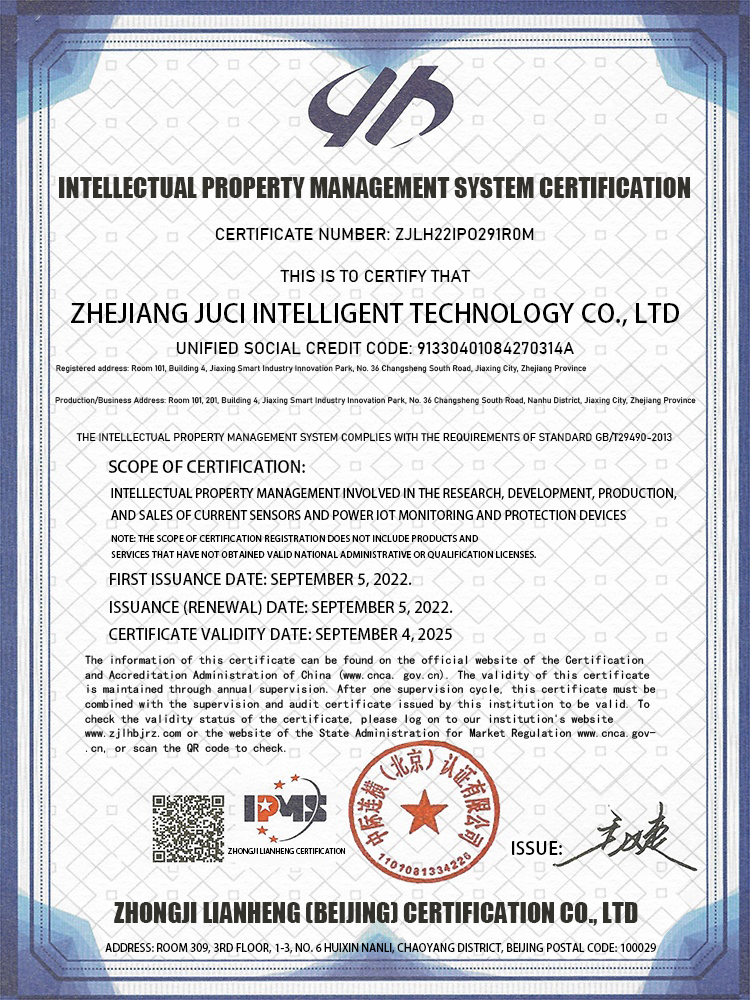
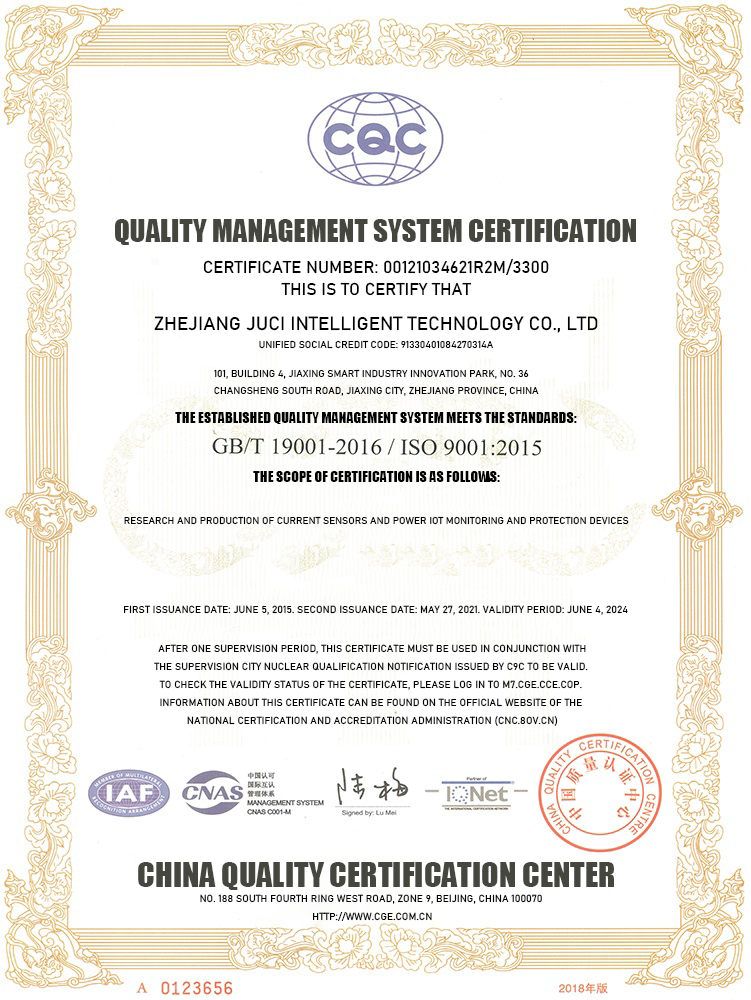
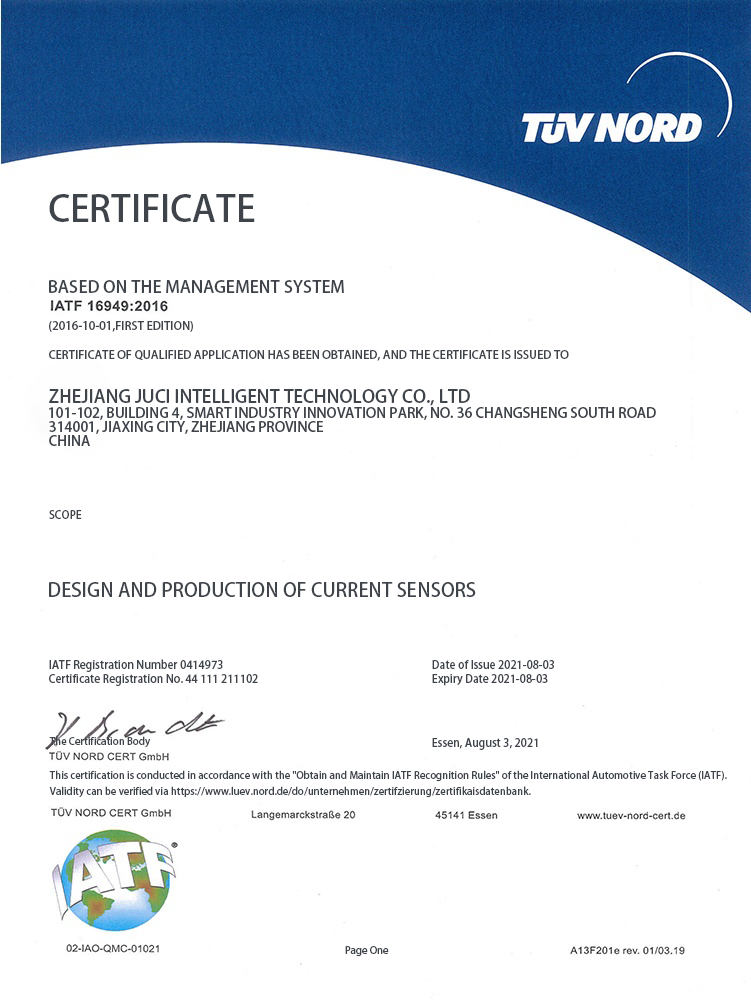
Quality & Certifications
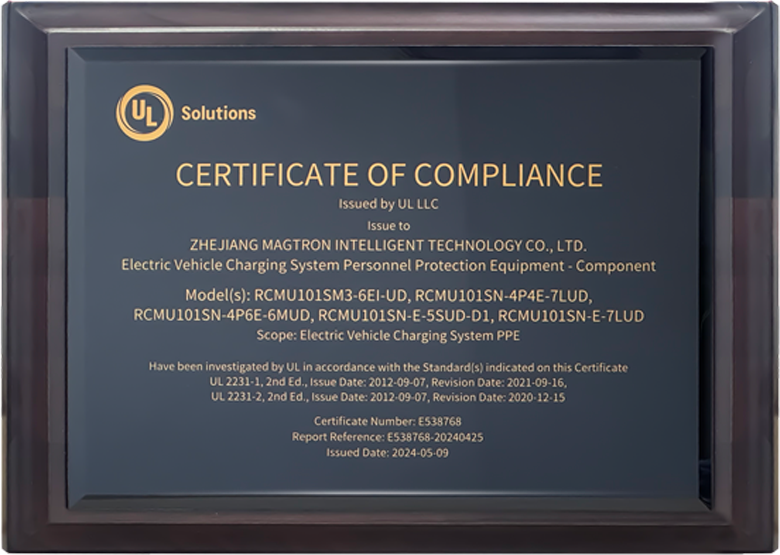
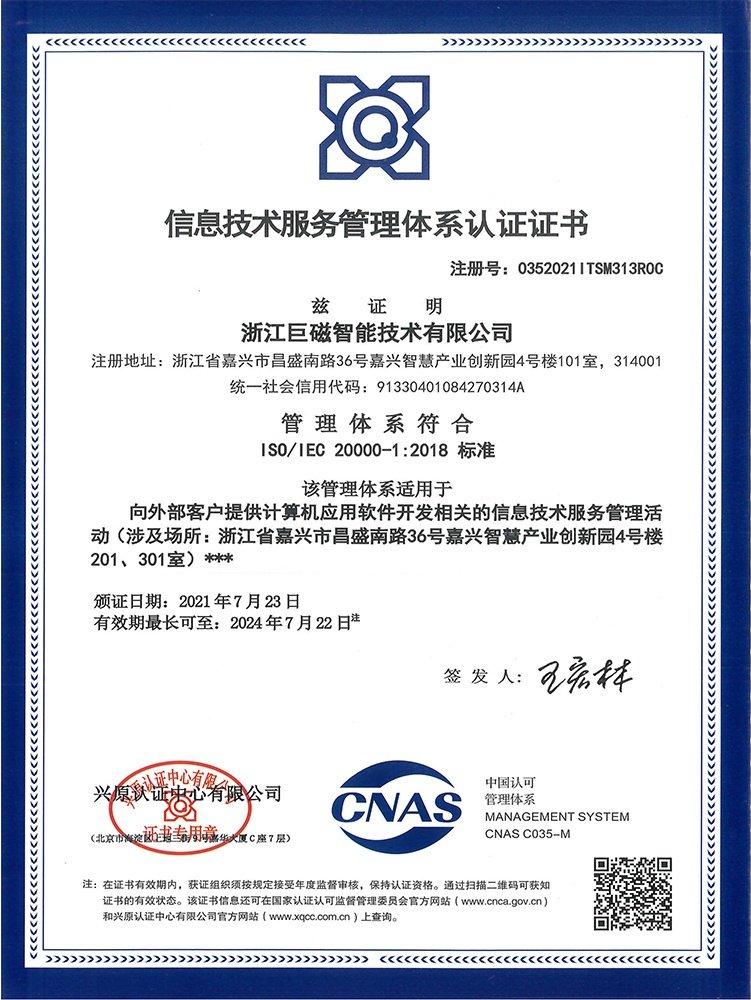
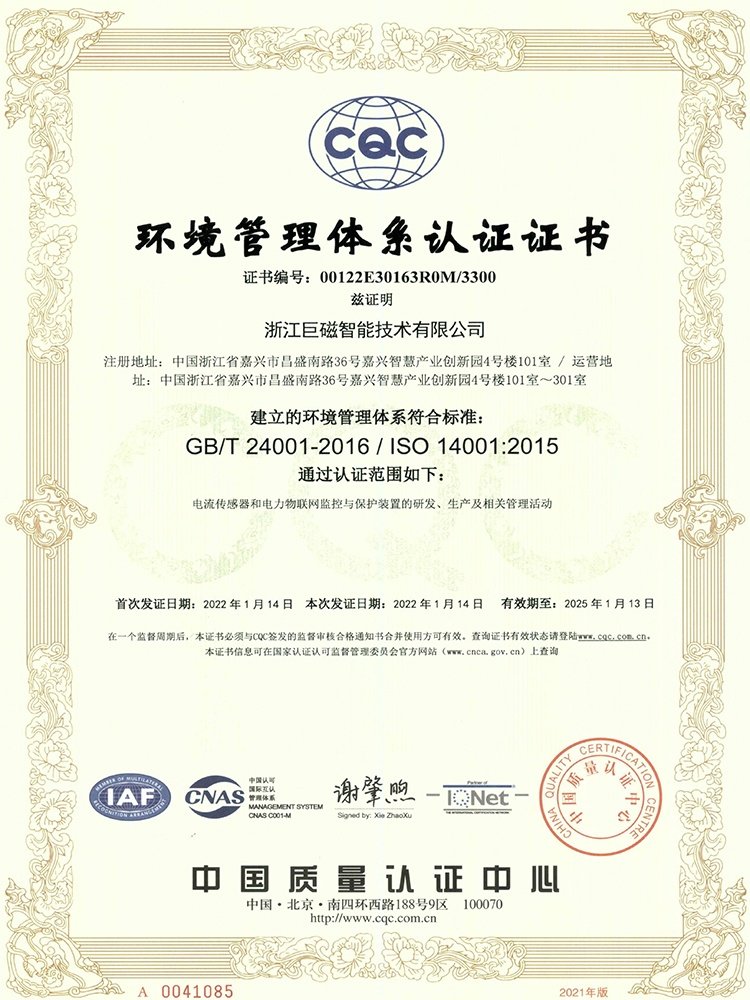
Magtron’s HVDC contactors meet all relevant global safety standards, including:
IEC 60947-4-3: For switching devices in industrial applications.
UL 60947-4-3: Ensures safety and performance for high-voltage DC circuits.
RoHS and REACH: Compliance with environmental standards, ensuring that the contactors are free from hazardous materials.
These certifications ensure that our products meet the strictest global standards for safety, electromagnetic compatibility (EMC), and environmental impact, providing peace of mind to users.
Why Choose Magtron?
Advanced Ceramic Sealing
Magtron’s ceramic brazing technology provides superior arc quenching and ensures that the contactor’s sealing remains reliable for over 10 years. The hermetically sealed design protects the internal components from dust, moisture, and oxidation, ensuring long-term performance and reliability in demanding conditions.
Automated Manufacturing
Magtron’s fully automated manufacturing process guarantees high consistency and quality in every product. From coil winding to assembly and testing, each step is optimized to ensure that our contactors meet the highest industry standards. This automated approach minimizes human error and ensures each product is precisely manufactured for optimal performance.
In-House Testing Lab
Magtron’s in-house testing lab allows us to conduct comprehensive electrical, mechanical, and environmental reliability tests. This ensures that each contactor meets or exceeds the required industry standards before it leaves our production line, providing confidence that our products will perform reliably even in challenging environments.
Related Products
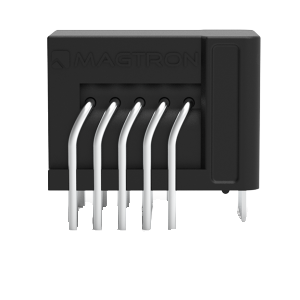
Current Sensing

Electrical Safety
Type B RCMUs and integrated RCD modules for complete AC/DC leakage current protection
Order & Payment
Most Popular Questions
Our contactors use a ceramic-brazed, hermetically sealed chamber filled with an inert gas (typically hydrogen or nitrogen). This design allows for efficient arc quenching when breaking high DC currents, ensuring safety and long electrical life.
They are essential safety components in high-voltage DC systems, such as Battery Energy Storage Systems (BESS), Electric Vehicle charging stations (DC fast chargers), and the main power distribution units (PDUs) in electric vehicles.
Yes, most of our models are equipped with an auxiliary contact (1 Form A / SPST-NO) that provides feedback on the main contact's status (open or closed). This is critical for system-level safety monitoring.
Our contactors are designed for high endurance. While specific ratings vary by model, they typically offer a mechanical life of hundreds of thousands of cycles and an electrical life of thousands of cycles under full load conditions. Please refer to the datasheet for detailed specifications.
Send us a message
Get in Touch with Our Experts Today.