Skip to content

| Series | Model | Package style | Certification/ | Rated current [A] | Maximum | Supply voltage (V) | Frequency bandwidth | Operating | Linearity (25℃) | Accuracy % (25℃) | Application scenario |
|---|---|---|---|---|---|---|---|---|---|---|---|
| Flux Gate Current Sensor | MCSA-6S/P | 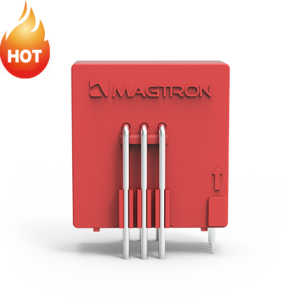 | CE/UL | 6A | 20A | +5V | 200kHz | -40℃~+105℃ | 0.1% | 0.7% | Photovoltaic inverter/industrial equipment |
| MCSA-25S/P | 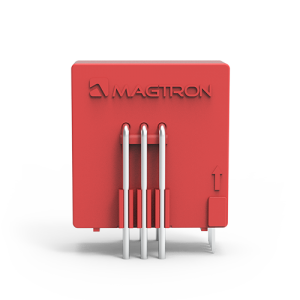 | CE/UL | 25A | 85A | +5V | 200kHz | -40℃~+105℃ | 0.1% | 0.7% | Photovoltaic inverter/industrial equipment | |
| MCSA-50S/P | | CE/UL | 50A | 150A | +5V | 200kHz | -40℃~+105℃ | 0.1% | 0.7% | Photovoltaic inverter/industrial equipment | |
| MCSB-100S/P | 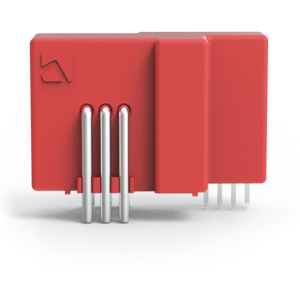 | CE/UL | 100A | 200A | +5V | 100kHz | -40℃~+85℃ | 0.1% | 0.7% | Photovoltaic inverter/industrial equipment | |
| MCSC-200S/NP-D | 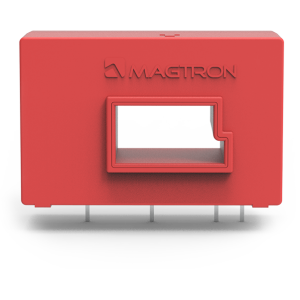 | CE/UL | 200A | 370A | +5V | 100kHz | -40℃~+85℃ | 0.1% | 0.5% | Photovoltaic inverter/industrial equipment | |
| MCSC-200S/P | 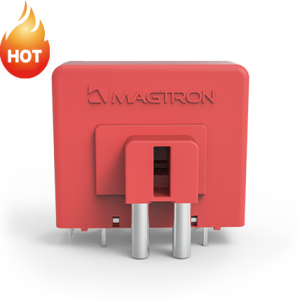 | CE/UL | 200A | 450A | +5V | 200kHz | -40℃~+85℃ | 0.1% | 0.7% | Photovoltaic inverter/industrial equipment | |
| MCSE-75S/P3 | 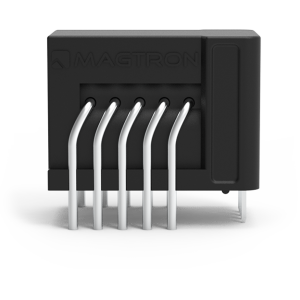 | CE/UL | 75A | 180A | +5V | 300kHz | -40℃~+105℃ | 0.1% | 0.8% | Photovoltaic inverter/industrial equipment | |
| MCSE-50S/P2 | 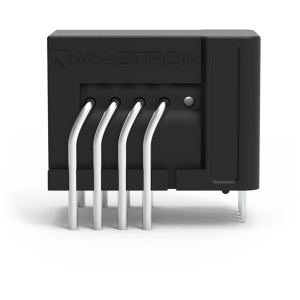 | CE/UL | 50A | 150A | +5V | 300kHz | -40℃~+105℃ | 0.1% | 0.8% | Photovoltaic inverter/industrial equipment | |
| MCSE-25S/P1 | 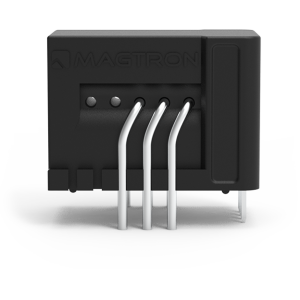 | CE/UL | 25A | 85A | +5V | 300kHz | -40℃~+105℃ | 0.1% | 0.8% | Photovoltaic inverter/industrial equipment | |
| MCSE-25S/P2 | | CE/UL | 25A | 85A | +5V | 300kHz | -40℃~+105℃ | 0.1% | 0.8% | Photovoltaic inverter/industrial equipment | |
| MCSE-50S/P1 | | CE/UL | 50A | 150A | +5V | 300kHz | -40℃~+105℃ | 0.1% | 0.8% | Photovoltaic inverter/industrial equipment | |
| MCSC-200S/NP | 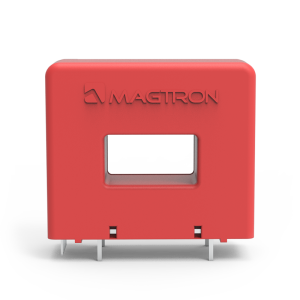 | CE/UL | 200A | 450A | +5V | 200kHz | -40℃~+85℃ | 0.1% | 0.7% | Photovoltaic inverter/industrial equipment |
| Series | Model | Package style | Rated current [A] | Maximum | Supply voltage (V) | Frequency bandwidth | Operating | Linearity (25℃) | Accuracy % (25℃) | Application |
|---|---|---|---|---|---|---|---|---|---|---|
| Hall Closed Loop Current Sensor | MCSC-100 S/NP-H | | 100A | 300A | +5V | 200kHz | -40℃~+85℃ | 0.2% | 0.8% | Photovoltaic inverter/industrial equipment |
| MCSC-150 S/NP-H | | 150A | 450A | +5V | 200kHz | -40℃~+85℃ | 0.2% | 0.8% | Photovoltaic inverter/industrial equipment | |
| MCSC-200 S/NP-H | | 200A | 600A | +5V | 200kHz | -40℃~+85℃ | 0.2% | 0.8% | Photovoltaic inverter/industrial equipment | |
| MCSC-250 S/NP-H | | 250A | 600A | +5V | 200kHz | -40℃~+85℃ | 0.2% | 0.8% | Photovoltaic inverter/industrial equipment | |
| MCSC-300 S/NP-H | | 300A | 600A | +5V | 200kHz | -40℃~+85℃ | 0.2% | 0.8% | Photovoltaic inverter/industrial equipment | |
| MCSC-100 S/P-H | 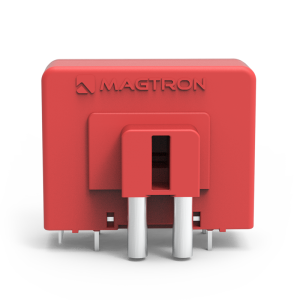 | 100A | 300A | +5V | 200kHz | -40℃~+85℃ | 0.2% | 0.8% | Photovoltaic inverter/industrial equipment | |
| MCSC-150 S/P-H | | 150A | 450A | +5V | 200kHz | -40℃~+85℃ | 0.2% | 0.8% | Photovoltaic inverter/industrial equipment | |
| MCSC-200 S/P-H | | 200A | 450A | +5V | 200kHz | -40℃~+85℃ | 0.2% | 0.8% | Photovoltaic inverter/industrial equipment | |
| MCSC-250 S/P-H | | 250A | 450A | +5V | 200kHz | -40℃~+85℃ | 0.2% | 0.8% | Photovoltaic inverter/industrial equipment | |
| MCSC-300 S/P-H | | 300A | 450A | +5V | 200kHz | -40℃~+85℃ | 0.2% | 0.8% | Photovoltaic inverter/industrial equipment |
| Series | Model | Package style | Rated current [A] | Maximum | Supply voltage (V) | Frequency bandwidth | Operating | Linearity (25℃) | Accuracy % (25℃) | Application |
|---|---|---|---|---|---|---|---|---|---|---|
| Hall Open Loop Current Sensor | MG20RAG |  | 20A | 50A | +5V | 200kHz | -40℃~+105℃ | 0.5% | 1% | Combiner box/inverter |
| MG32RAG |  | 32A | 80A | +5V | 200kHz | -40℃~+105℃ | 0.5% | 1% | Combiner box/inverter | |
| MG50RAG | | 50A | 125A | +5V | 200kHz | -40℃~+105℃ | 0.5% | 1% | Combiner box/inverter | |
| MG80RAG |  | 80A | 200A | +5V | 150kHz | -40℃~+105℃ | 0.5% | 1% | Combiner box/inverter | |
| MG100RAG | | 100A | 250A | +5V | 150kHz | -40℃~+105℃ | 0.5% | 1% | Combiner box/inverter | |
| MG120RAG | | 120A | 300A | +5V | 150kHz | -40℃~+105℃ | 0.5% | 1% | Combiner box/inverter | |
| MG150RAG | | 150A | 375A | +5V | 150kHz | -40℃~+105℃ | 0.5% | 1% | Combiner box/inverter | |
| MG180RAG | | 180A | 450A | +5V | 150kHz | -40℃~+105℃ | 0.5% | 1.5% | Combiner box/inverter | |
| MC20 | 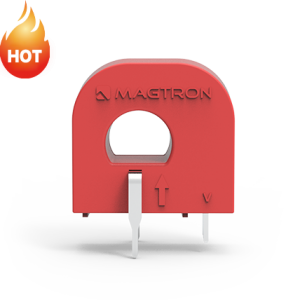 | 10A | 20A | +5V | 80kHz | -40℃~+85℃ | 0.4% | 1% | Combiner box/industrial equipment | |
| MC25 | 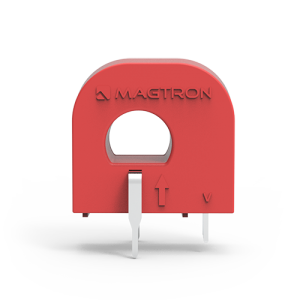 | 12.5A | 25A | +5V | 80kHz | -40℃~+85℃ | 0.4% | 1% | Combiner box/industrial equipment | |
| MC45 | | 22.5A | 45A | +5V | 80kHz | -40℃~+85℃ | 0.4% | 1% | Combiner box/industrial equipment | |
| ME2-20 | 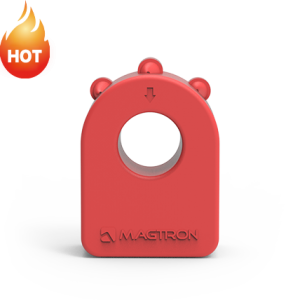 | 10A | 20A | +5V | 80kHz | -40℃~+85℃ | 0.4% | 1% | Combiner box/industrial equipment | |
| ME2-25 | 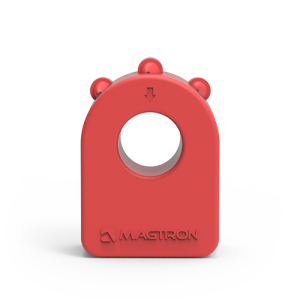 | 12.5A | 25A | +5V | 80kHz | -40℃~+85℃ | 0.4% | 1% | Combiner box/industrial equipment | |
| ME2-40 | | 20A | 40A | +5V | 80kHz | -40℃~+85℃ | 0.4% | 1% | Combiner box/industrial equipment |
The first step in choosing a current sensor is understanding your system’s application. Different applications require different sensor characteristics based on accuracy, response time, and current range. Magtron sensors are tailored for various industries, offering specialized features that meet unique requirements.
Industrial Automation: For motor control and actuator monitoring, where high precision is needed for performance optimization, select closed-loop fluxgate sensors for high-precision current measurements.
Electric Vehicles (EVs): In EV applications, choose Hall Effect sensors or iFluxgate® sensors for battery management and charging systems, where accurate DC current measurements are vital.
Energy Storage: For battery charge/discharge cycles, select sensors with high accuracy and low offset drift to ensure efficient battery health monitoring.
Photovoltaic Systems: Choose sensors for solar power systems that support both AC and DC measurements, ensuring you monitor solar panel output and inverter performance accurately.
Each application has specific requirements that dictate the type of current sensor you need. For example, EVs require sensors capable of measuring DC current, while industrial systems may require sensors with higher accuracy for motor control and automation.
The measurement range of the sensor is critical for ensuring that the sensor can handle the current expected in your system. The sensor must be able to measure the peak current while staying within its operational range.
Common Measurement Ranges:
For residential or light commercial systems, sensors in the range of 10A to 100A are often sufficient.
For industrial applications, current sensors may be required in ranges from 100A to 1500A, depending on the size and power requirements of the machinery.
Overcurrent Protection:
Ensure that the sensor can detect and respond to overcurrent situations, which could lead to system failures or damage to components.
The right sensor for your application should have a current range that not only covers typical operating conditions but also accounts for possible peak currents or fault conditions.
Magtron offers multiple sensor technologies, each suited to specific needs based on measurement accuracy, range, and application requirements. Understanding the strengths of each technology is key to making the right choice.
iFluxgate® Sensors:
Ideal for high-precision applications requiring low drift and stable performance. These sensors can measure both AC and DC currents, making them suitable for applications like industrial motor control, solar inverters, and EV battery monitoring.Hall Effect Sensors:
Hall Effect sensors are versatile and widely used for both AC and DC current measurements. These sensors are typically used in energy storage systems, solar panels, and electric vehicle charging. They are more cost-effective than iFluxgate® sensors and offer sufficient accuracy for many commercial applications.Shunt-based Sensors:
These sensors measure the voltage drop across a known resistor to calculate current. While they are very cost-effective, they require precise calibration and are typically used for low-current applications or energy metering.
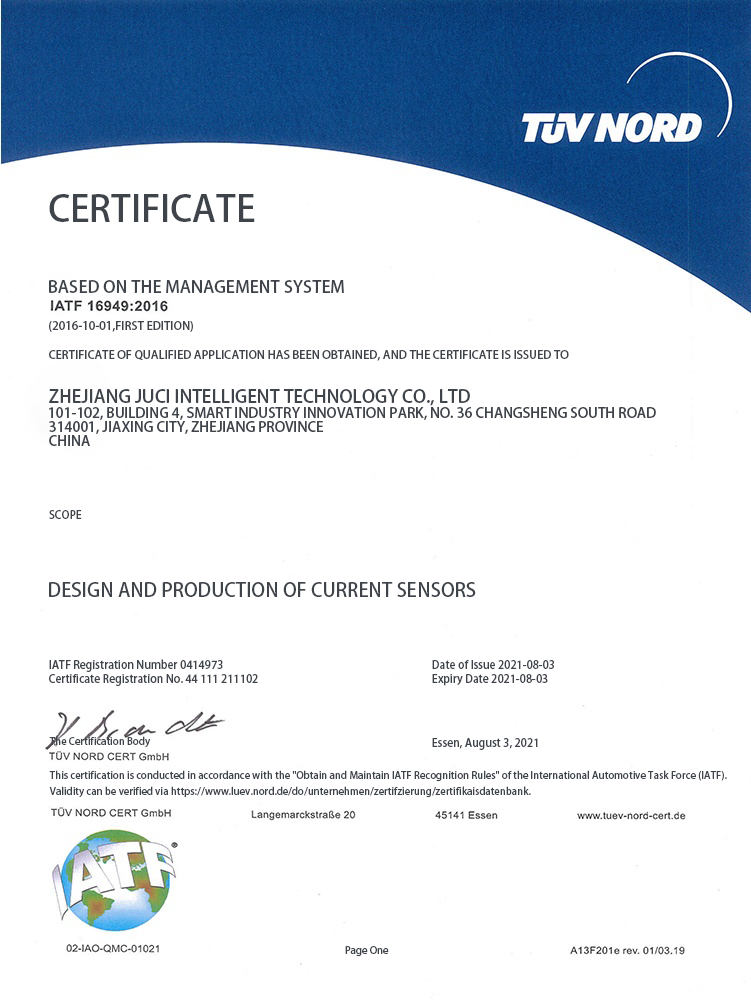
Choosing pre-certified current sensors offers numerous benefits, particularly in terms of safety compliance and reducing time-to-market. Magtron’s current sensors come with pre-calibrated certifications, ensuring they meet international standards such as IEC 61851 for EV charging, UL 2231-2 for residual current protection, and CE for compliance within the European market.
Global Certification:
Pre-certified sensors save you the time and resources required to test and certify your product. These sensors are already tested to meet global safety standards, ensuring they will work seamlessly in your application without any additional compliance hurdles.Faster Time-to-Market:
By choosing a pre-certified sensor, you eliminate the need for lengthy safety approval processes, which significantly reduces the time required to bring your product to market. This is especially beneficial for applications such as electric vehicle charging stations, solar inverters, or energy storage systems, where time-sensitive regulations and market demands exist.Trust and Reliability:
Using pre-certified solutions ensures you are working with a reliable, industry-tested product. These certifications guarantee that your sensor has undergone rigorous testing and complies with all relevant safety, electromagnetic compatibility (EMC), and environmental standards.Simplified Approval Process:
For customers or end users looking to integrate your product, the pre-certification of the current sensors simplifies their approval process as well, ensuring a smoother deployment. This is particularly useful when you are dealing with large-scale installations, such as in industrial or grid systems.
Selecting the right sensor also involves considering the integration and physical size of the sensor to fit into your system. Depending on your application, the size and installation method may vary, and Magtron provides a wide range of form factors to accommodate your needs.
Space Constraints:
Many modern applications, especially embedded systems in consumer electronics, smart meters, and electric vehicles, require compact designs. Magtron offers miniature sensors that can easily fit into tight spaces without compromising performance. These compact designs are especially useful for applications that require small footprint or low-profile mounting.Mounting Flexibility:
Magtron’s current sensors are designed for easy integration into existing systems. Sensors come with different mounting options, including PCB mounting, DIN rail mounting, and screw-mounted configurations. Depending on your installation environment, you can select the appropriate mounting type:PCB Mounting: Ideal for embedded systems or applications that require high-density circuits.
DIN Rail Mounting: Common in industrial applications and control panels, where modules need to be securely installed within electrical cabinets.
Screw Mounting: Useful for systems that require flexible or custom installations, allowing for quick and easy integration into a variety of systems.
Modular Design for Future Expansion:
When designing for future scalability, it’s important to select sensors that can be easily expanded or upgraded. Magtron’s sensors offer modular designs that allow for easy replacement or integration with other components. This flexibility is ideal for energy management systems, smart grids, and other large-scale operations that might require future upgrades or modifications.Environmental Suitability:
The size and design of the sensor also need to suit the environmental conditions where it will be installed. For example, some systems might require IP65 or IP67 rated sensors to be fully dustproof and waterproof for outdoor or harsh conditions. Ensure the selected sensor is equipped to handle the physical demands of the application, such as exposure to extreme temperatures or moisture.Customizability:
If your application has specific size or mounting requirements, some of Magtron’s sensors offer customizable features to meet your unique needs. Whether it’s adjusting the sensor’s output range, voltage levels, or other parameters, Magtron offers solutions that are adaptable for a variety of use cases.