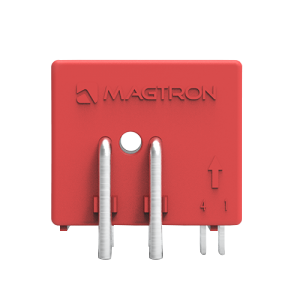
...
Welcome to Magtron

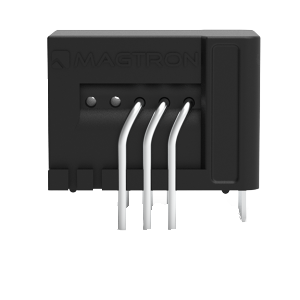
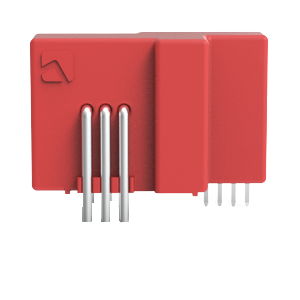
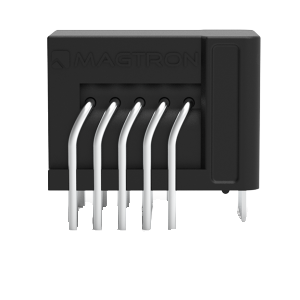
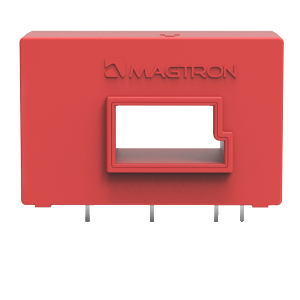
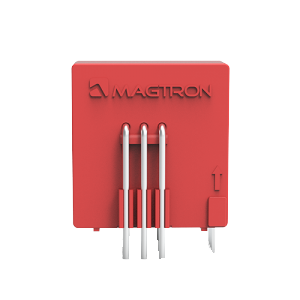
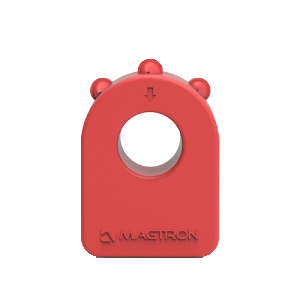
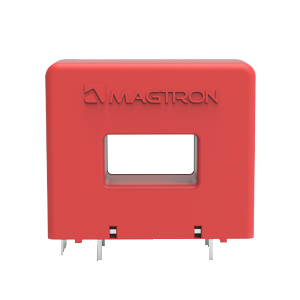
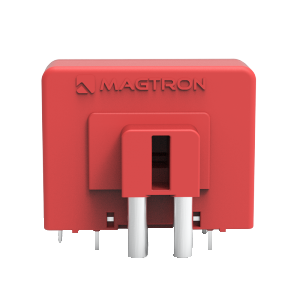
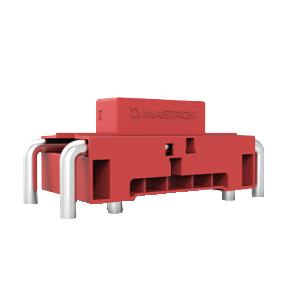
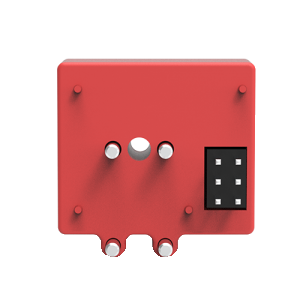
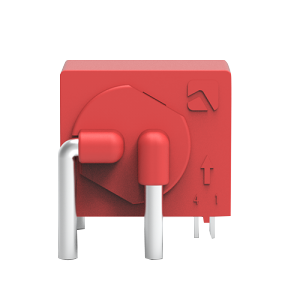
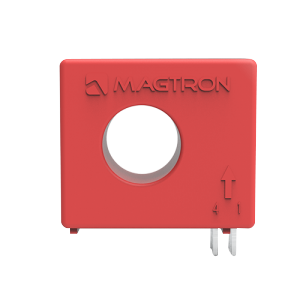
RCD Module for Circuit Breaker

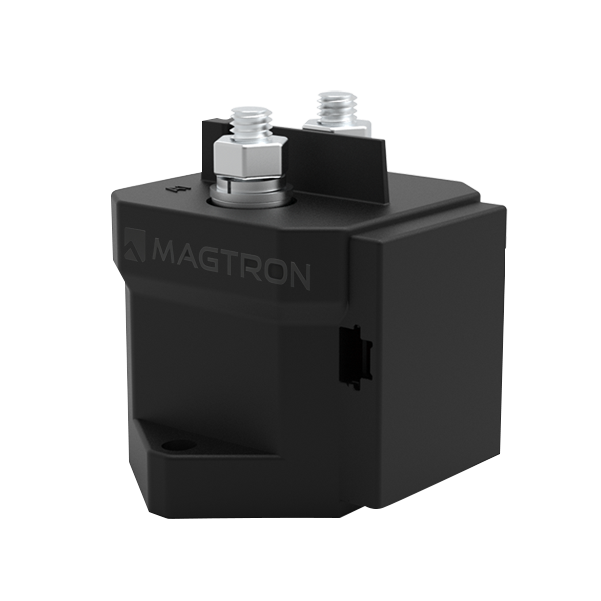
The Plug-and-Play Solution for Complete Leakage Protection

Accelerate your product development with our fully integrated RCD Module. By combining our industry-leading iFluxgate® sensor with a robust switching relay in a single package, we provide a pre-calibrated, certified solution that eliminates complex design work.

What is an RCD Module?

    An RCD Module (Residual Current Device Module) is an advanced, highly integrated safety component designed to protect electrical circuits from the dangers of residual current faults. Unlike traditional systems that require separate sensors and relays, the RCD module combines all critical functions into a single pre-certified package. This integration simplifies the design process and accelerates product development, making it a plug-and-play solution for various safety applications.

    The RCD Module integrates three key components:

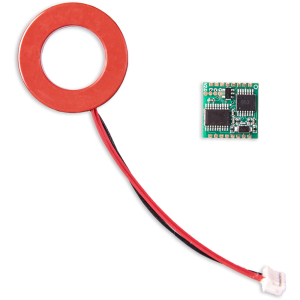
  1. High-Precision RCMU Sensor: The core of the module, this sensor detects AC and DC residual currents, ensuring comprehensive leakage protection.

  2. Processing Circuit: This compares the detected current values with preset threshold limits to identify faults in real-time.

  3. Switching Relay: When a fault is detected, the relay physically disconnects the circuit, preventing damage and ensuring operator safety.

    Key Value Proposition: The RCD module offers a plug-and-play solution, eliminating the need for complex circuit designs. With pre-calibrated and certified components, users can focus on integrating the module into their systems without worrying about the intricacies of sensor circuits, comparator design, and relay control. This reduces procurement complexity, accelerates time-to-market, and simplifies safety compliance, especially for applications requiring Type B leakage protection.

The Core of Precision: A Digital-First Approach

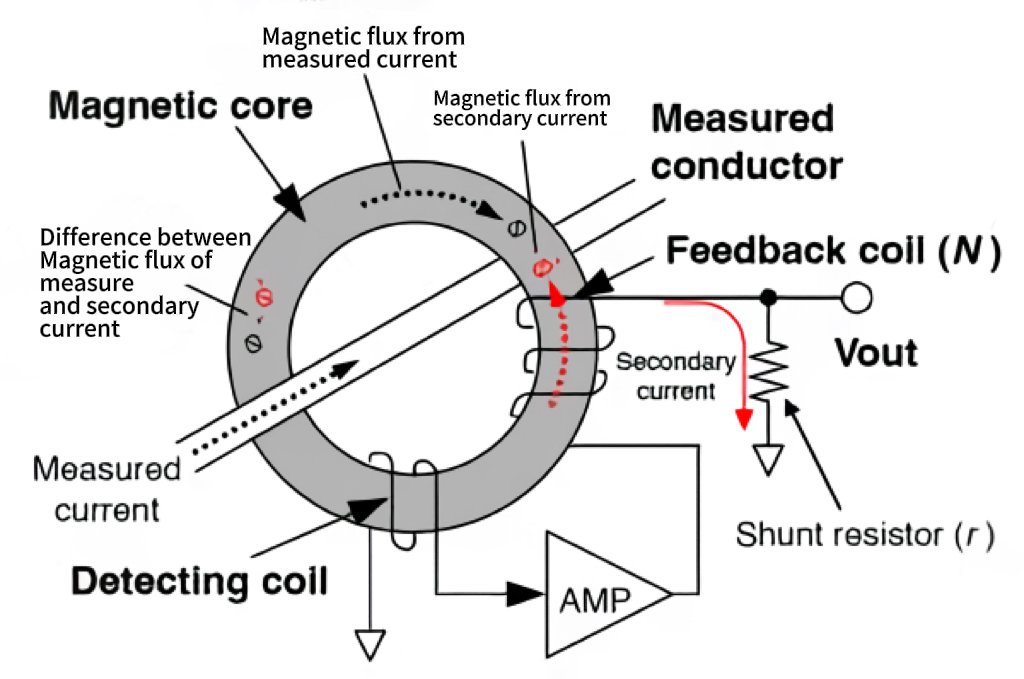
    iFluxgate® takes a revolutionary “active correction” approach. Instead of just measuring, our system constantly asks a question: “How much energy do I need to create a perfect zero-magnetic field inside the sensor?”
    The external current you want to measure creates a magnetic disturbance. Our integrated DSP instantly detects this and generates a precise, opposing magnetic force to cancel it out completely. The amount of energy needed for this cancellation is an exact, incredibly stable measure of the current. This active, self-correcting process makes iFluxgate® immune to the temperature and aging errors that plague older technologies.
 

The iFluxgate® process is executed in three key steps by our patented, on-chip digital signal processor (DSP):

1.Excitation & Saturation: We drive a proprietary magnetic core into deep saturation and back using a high-frequency square wave signal. In a zero-current state, the magnetic response is perfectly symmetrical.
2.Harmonic Detection: When a primary current (DC or AC) is present, it introduces a bias in the core’s magnetic field. This creates a distinct asymmetry, which our DSP detects by analyzing the even-order harmonic components (2nd, 4th, etc.) of the sensor’s output signal—a unique fingerprint of the external current.
3.Digital Nulling: The DSP’s integrated feedback loop instantly generates a pulse-width modulated (PWM) compensation current through a secondary coil. This current creates a magnetic field that is equal and opposite to the primary field, actively “nulling” the harmonics and restoring symmetry. The duty cycle of this PWM signal is a direct, linear, and exceptionally stable digital representation of the primary current.

Key Advantages

Why Choose Our RCD Module for Your Applications

Fully Integrated System

Combines sensor, processing, and relay in one compact housing.

Type B Protection

Detects AC, pulsating DC, and smooth DC residual currents.

Pre-Certified Component

Meets key safety standards, simplifying end-product certification.

Robust Latching Relay

High-reliability bistable relay ensures low power consumption and dependable switching.

Visual Status Indication

Includes LED indicators to show system status, such as normal operation or faults.

Wide Operating Voltage

Suitable for single-phase and three-phase systems.

application

Applications in Detail

EV Charging
Components for AC/DC chargers.
Learn More
Industrial Automation
Precision control for drives and robotics.
Learn More
Photovoltaic
Solutions for high-efficiency inverters.
Learn More

The RCD Module provides Type B leakage protection for AC and DC circuits in EV charging stations. By integrating the sensor, processing circuit, and switching relay into one unit, it simplifies design and reduces installation complexity for Mode 2 and Mode 3 chargers.

The RCD Module is ideal for industrial environments, providing leakage protection for machines like VFDs, UPS systems, and servo motors. It ensures the safety of electrical circuits by detecting residual currents and triggering an immediate shutdown when necessary.

The RCD Module ensures Type B leakage protection for solar power systems, including AC and DC circuits. It safeguards inverters, storage systems, and other components of the photovoltaic system by detecting leakage currents and providing immediate protection.

application

Applications in Detail

EV Charging
Components for AC/DC chargers.
Learn More
Industrial Automation
Precision control for drives and robotics.
Learn More

The RCD Module provides Type B leakage protection for AC and DC circuits in EV charging stations. By integrating the sensor, processing circuit, and switching relay into one unit, it simplifies design and reduces installation complexity for Mode 2 and Mode 3 chargers.

The RCD Module is ideal for industrial environments, providing leakage protection for machines like VFDs, UPS systems, and servo motors. It ensures the safety of electrical circuits by detecting residual currents and triggering an immediate shutdown when necessary.

Photovoltaic
Solutions for high-efficiency inverters.
Learn More

The RCD Module ensures Type B leakage protection for solar power systems, including AC and DC circuits. It safeguards inverters, storage systems, and other components of the photovoltaic system by detecting leakage currents and providing immediate protection.

application

Applications in Detail

EV Charging
Components for AC/DC chargers.
Learn More

The RCD Module provides Type B leakage protection for AC and DC circuits in EV charging stations. By integrating the sensor, processing circuit, and switching relay into one unit, it simplifies design and reduces installation complexity for Mode 2 and Mode 3 chargers.

Industrial Automation
Precision control for drives and robotics.
Learn More

The RCD Module is ideal for industrial environments, providing leakage protection for machines like VFDs, UPS systems, and servo motors. It ensures the safety of electrical circuits by detecting residual currents and triggering an immediate shutdown when necessary.

Photovoltaic
Solutions for high-efficiency inverters.
Learn More

The RCD Module ensures Type B leakage protection for solar power systems, including AC and DC circuits. It safeguards inverters, storage systems, and other components of the photovoltaic system by detecting leakage currents and providing immediate protection.

Technical Specifications

Series Model Package style Power supply(V) Through hole ability(mm) Application scenario
Leakage Current Protection Module Sensors ME3301CS +6V 14.42 RDC-DD/EV type residual current action circuit breaker
MB3301AS +6V 14.42 Type B residual current action circuit breaker
MB3303AS +6V 14.5 Type B residual current action circuit breaker

How to Choose Your Module?

Select Rated Voltage/Current

    The rated voltage and current are critical factors when choosing an RCD Module. These ratings must align with your system’s specifications to ensure the module operates safely and effectively under typical operating conditions.

  • Voltage: Ensure the RCD Module is rated for the appropriate single-phase or three-phase voltage levels (e.g., 230V for single-phase, 400V for three-phase systems).

  • Current: Choose a module that supports the maximum current your system will carry. For residential applications, modules typically range from 10A to 40A, while industrial systems may require modules rated for up to 100A or higher.

    The right voltage and current ratings ensure your RCD Module can handle the system’s load and provide adequate protection.

Confirm Phase Count

    The phase count is an essential factor in determining the compatibility of your electrical system with the RCD Module. Systems can either be single-phase or three-phase, and selecting the right module based on phase configuration is crucial for efficient and reliable protection.

  • Single-Phase System:
    Typically used for residential and light commercial applications. Single-phase systems typically have lower power demands and are suitable for most home appliances, lights, and small equipment. If your system operates on 230V single-phase, ensure the RCD Module is designed for single-phase protection.

  • Three-Phase System:
    Three-phase systems are often used in industrial applications where higher power is needed. These systems can handle larger loads and provide more stable power distribution, making them ideal for heavy machinery, motors, and large equipment. If your system is a three-phase setup, you’ll need an RCD Module that is compatible with three-phase configurations and rated for 400V or higher.

  • Why Phase Configuration Matters:
    Using the wrong phase configuration may result in improper protection. A single-phase module cannot protect a three-phase system, and a three-phase module is unnecessary for low-power single-phase systems.

Verify Mounting Type

    The mounting type determines how the RCD Module will be installed and secured in your electrical system. Depending on your installation environment, you may need a DIN rail mounted module or one that uses screw mounting. It’s important to ensure compatibility with your system’s installation requirements.
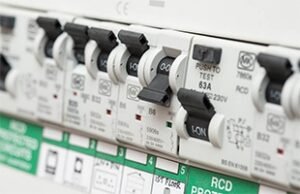
  • DIN Rail Mounting:
    DIN rail mounting is the most common method for industrial environments, electrical control panels, and larger systems. It provides a standardized, secure way to install the RCD Module and makes it easy to add or remove modules as needed. DIN rail is often used in commercial and industrial installations, and it allows for quick assembly and maintenance.

  • Screw Mounting:
    For specialized or compact installations, screw mounting may be a better option. It’s ideal when space is limited, or the system requires custom installation in non-standard panels. Screw-mounted modules are commonly used in residential applications or smaller commercial systems.

  • Why Mounting Type Matters:
    Ensuring the correct mounting type guarantees that the RCD Module is securely installed, which is critical for its safe operation. A secure installation prevents electrical faults caused by improper fitting and ensures the module’s long-term reliability.

Select Leakage Protection Type

    One of the most important factors in choosing your RCD Module is determining the correct leakage protection type. Type A and Type B are the two most common options:

  • Type A:
    Designed to protect against AC leakage currents. Suitable for systems that operate with alternating current and require basic leakage protection. Type A is often sufficient for residential systems, small commercial applications, and general electrical equipment.

  • Type B:
    Type B protection is necessary for applications involving both AC and DC residual currents, such as electric vehicle (EV) charging stations, solar power systems, and industrial equipment. It detects pulsating DC and smooth DC currents, making it ideal for systems where both AC and DC leakage may occur.

    Choosing the appropriate leakage protection type ensures that your system is safeguarded against all relevant fault conditions. Type B is especially crucial for modern systems with DC equipment, while Type A is generally adequate for most AC-based applications.

Consider Environmental Conditions

    The environmental conditions in which the RCD Module will operate are crucial to its performance and lifespan. Factors such as temperature range, humidity, and exposure to dust or moisture can affect the module’s durability.

  • Temperature Range:
    RCD Modules typically have an operating temperature range of -40°C to 85°C or -40°C to 105°C. Make sure to verify that the RCD Module is rated for the temperature conditions in your specific environment. If your system operates in an environment with extreme temperatures, selecting a module with a wider temperature tolerance will help ensure reliable operation.

  • Environmental Protection (IP Rating):
    If the RCD Module is exposed to harsh conditions, such as moisture or dust, consider selecting a module with a high IP (Ingress Protection) rating. Modules with IP65 or IP67 ratings are designed to be dustproof and water-resistant, making them suitable for outdoor, industrial, or challenging environments.

    Choosing a module with the correct environmental protection ensures the RCD Module will continue to perform reliably, even under difficult operating conditions.

Pre-Certified Solution

    Ensure that the RCD Module is pre-certified to meet all relevant safety standards, such as IEC 61851, UL 2231-2, and CE certifications. Pre-certified modules have already passed rigorous testing and meet industry safety standards, reducing the time and effort required for your own system’s certification.

  • Pre-Certified Modules:
    Modules that are pre-certified offer the advantage of quicker approval and faster market entry. You don’t need to go through the certification process yourself, as the module is already tested for compliance with safety regulations.

  • Certifications:
    Look for modules with certifications like IEC 61851 (for EV charging stations), UL 2231-2 (for general residual current protection), and CE (for European market). These certifications ensure the module meets international safety standards and is safe for use in your system.

    Pre-certified RCD Modules offer peace of mind by ensuring the module has already passed safety testing and meets global standards, helping you save time and effort on the certification process.


Consider Application-Specific Requirements

    As you choose an RCD Module, consider the future scalability of your system. The needs of your electrical system may grow, and it’s important to choose a module that can accommodate future expansions or upgrades. This is especially important in applications such as EV charging stations, solar power systems, and industrial setups where load requirements may increase.

  • Scalability:
    Ensure that the RCD Module can handle future load increases or additional equipment. Some modules are designed to support expansion by allowing easy upgrades to accommodate additional power or protection needs.

  • Smart Features:
    Consider if your system will require real-time monitoring, IoT connectivity, or smart fault detection in the future. Select a module that can integrate with these technologies to enable remote monitoring or automated responses.

    Choosing a scalable RCD Module ensures that your system can grow with your needs, reducing the need for costly replacements or upgrades in the future.

Get A Quote

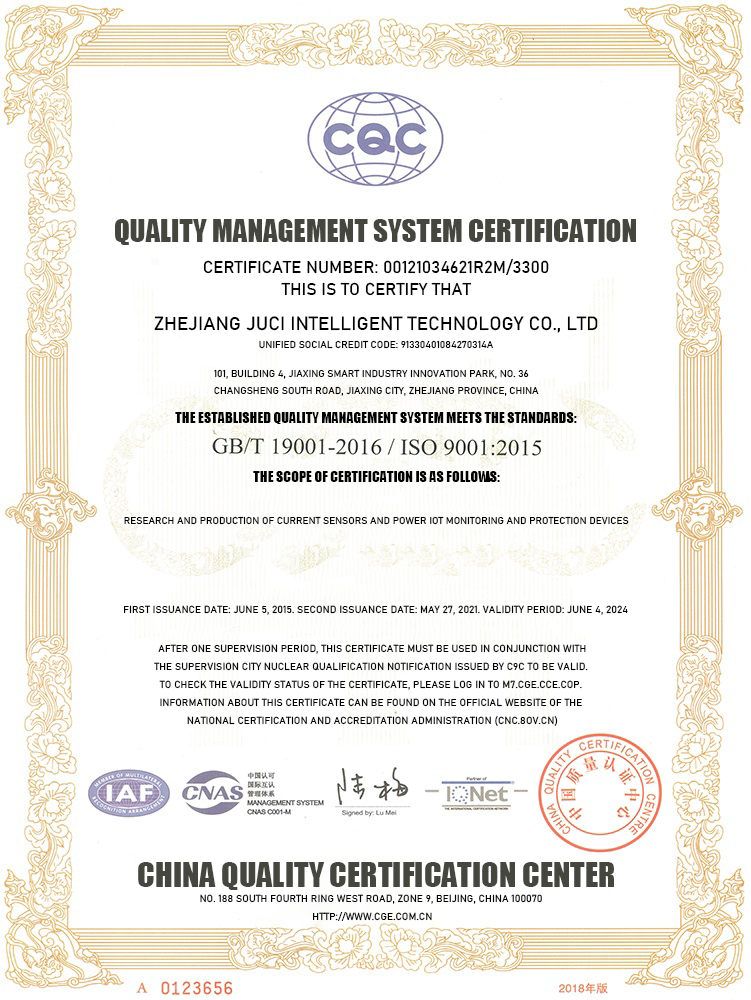
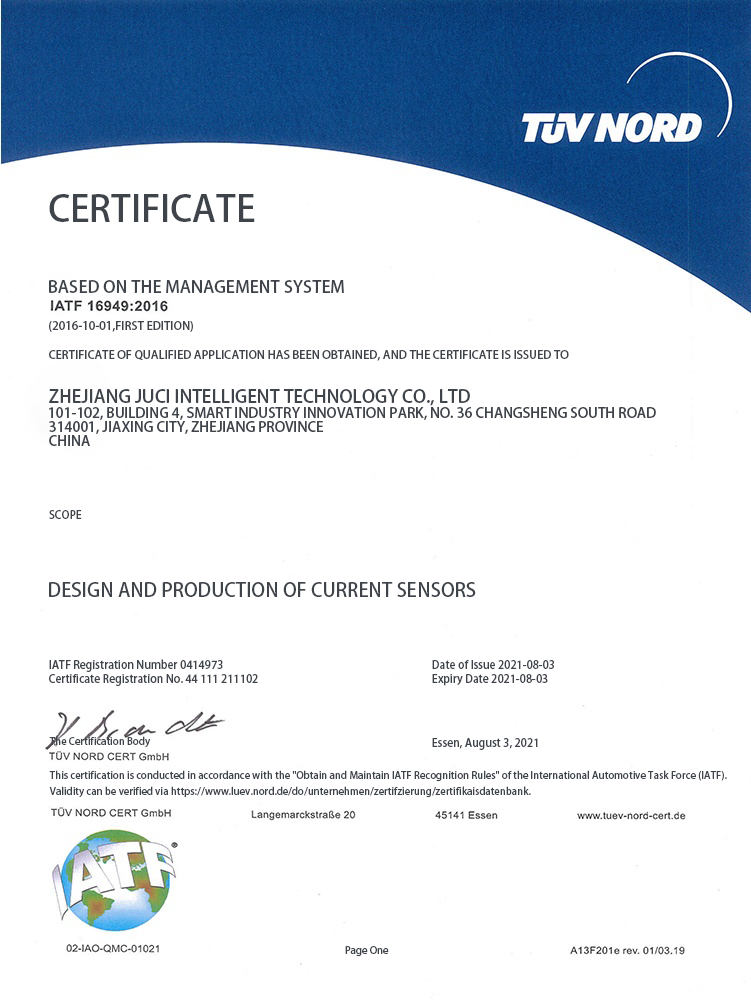
Quality & Certifications

    Magtron ensures that all our RCM Modules meet the highest quality standards, providing reliable performance across all applications.

    Our RCM Modules are UL certified, ensuring compliance with global safety standards, including UL 1741, UL 508, and UL 94-V0. These certifications guarantee the RCM Module meets industry-specific safety requirements and provides essential protection for electrical systems.

    The VDE 0126-1-1 certification ensures that our modules meet the safety requirements for photovoltaic systems, making them a trusted choice for solar power applications.

    Compliance with IEC 60950-1 and IEC 61000-4-5 standards ensures that our RCM Modules meet rigorous electrical safety and electromagnetic compatibility (EMC) requirements, which is critical for protecting equipment from electrical surges and interference.

    All products are RoHS compliant, ensuring they are free from hazardous substances, contributing to a safer and more environmentally friendly product lifecycle.

    These certifications reflect our commitment to delivering high-quality, safe, and reliable products for a wide range of applications, including industrial automation, EV charging stations, and solar power systems.

Why Choose Magtron?

Seamless Integration

Magtron provides plug-and-play solutions, eliminating the need for complex circuit designs. By integrating high-precision iFluxgate® sensors and reliable relays, Magtron simplifies your design process. Just supply power and connect to the main circuit—it's that simple.

Guaranteed Compliance

All Magtron RCD Modules come pre-calibrated and pre-certified to meet all relevant safety standards. This guarantees that your product complies with global certifications, accelerating your product’s time-to-market and helping you avoid costly and time-consuming compliance testing.

System-Level Reliability

Magtron’s sensors and relays are optimized and tested together, ensuring reliable performance at the system level. Unlike traditional discrete components, our modules offer better performance, stability, and reliability, making them the perfect choice for a robust system.

Related Products

Magtron provides a complete, vertically integrated solution from precision measurement to leakage protection and power isolation, simplifying your design and ensuring system-wide reliability.

Current Sensing

From ultra-precise iFluxgate® to cost-effective Hall effect sensors for control and monitoring

High-Voltage Switching

Reliable HVDC contactors for safe circuit breaking in EV, ESS, and PV systems

Electrical Safety

Type B RCMUs and integrated RCD modules for complete AC/DC leakage current protection

Order & Payment

Most Popular Questions

The RCD Module is an all-in-one solution that integrates a Type B RCMU (Residual Current Monitoring Unit) with a switching relay and, in some models, an overcurrent protection mechanism. It's a pre-certified, plug-and-play safety component.

It is primarily designed for manufacturers of circuit breakers, switchgear, and EV chargers who want to quickly add Type B RCD functionality to their products without the complexity of designing and integrating separate components.

Yes, it typically requires a low-voltage DC supply (e.g., 12V or 24V) to power the internal monitoring and control circuitry.

Yes, our RCD modules are designed and tested to be compliant with relevant standards such as IEC/EN 61008-1 and IEC/EN 62423, ensuring they meet global safety and performance requirements.

The main benefits are accelerated time-to-market, reduced R&D costs, and simplified supply chain. You are integrating a single, pre-calibrated, and certified component instead of sourcing, testing, and integrating multiple discrete parts.

Send us a message

Get in Touch with Our Experts Today. 

Contact Us

We Would Love To Hear From You!

Sample Request

Seraphinite AcceleratorOptimized by Seraphinite Accelerator
Turns on site high speed to be attractive for people and search engines.