With global electric vehicle (EV) sales surpassing 30 million units, ensuring safe charging for every vehicle has become a critical battleground for technological advancement across the industry.
During China’s 14th Five-Year Plan period, the EV market expanded by 3.6 times. Meanwhile, battery cell costs dropped by 30%, lifespan increased by 40%, and charging speeds improved more than threefold—further strengthening international competitiveness. The global EV market is now shifting from policy-driven growth to value- and market-driven expansion, resulting in a more diversified development landscape.
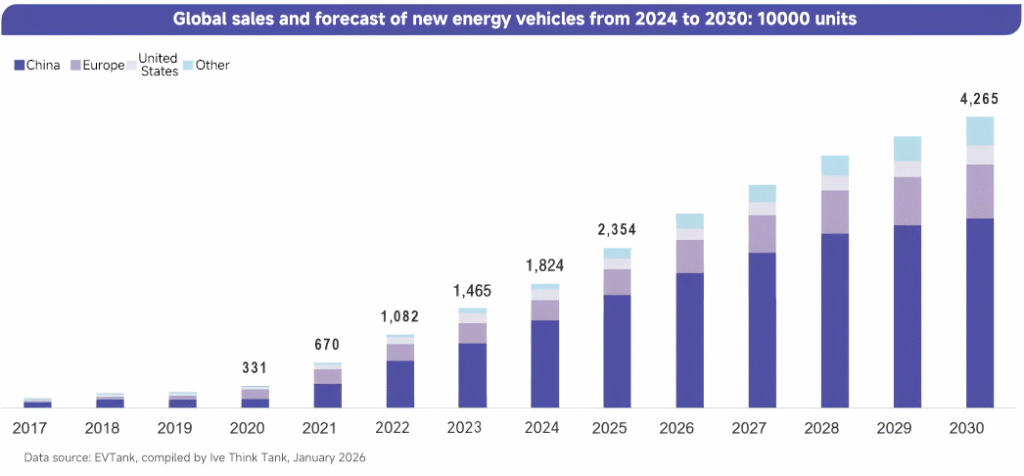
Figure 1: Historical EV Sales and Forecast
As the intelligent and connected EV industry enters a phase of significant opportunity, electrical safety—particularly leakage detection in On-Board Chargers (OBCs)—has become a key enabler for high-quality industry growth.
1. Rapid Industry Growth, Safety Comes First
01 Market Insights
Traditional major markets such as Europe and North America are showing diverging development paths, placing increasingly complex demands on upstream safety and technical standards.
This policy direction is not limited to China—major global automotive markets are aligning in prioritizing electrical safety as a core element of EV development.
As the EV market expands rapidly, electrical safety during charging has become a focal concern for users, OEMs, and regulators alike. Among these, insulation fault monitoring and leakage detection in OBC systems serve as critical safeguards for user safety.
02 Bidirectional OBC Introduces New Safety Challenges
With the growing adoption of Vehicle-to-Grid (V2G) and Vehicle-to-Load (V2L) applications, bidirectional onboard chargers are becoming a key trend in EV development.
This functionality allows EVs not only to draw power from the grid but also to supply power back to homes, the grid, or other devices—enhancing energy utilization and overall vehicle value.
However, bidirectional operation introduces new electrical safety challenges.
In traditional unidirectional OBC systems, protection primarily relies on external Residual Current Devices (RCDs) within charging infrastructure. But in reverse power modes, the vehicle is no longer connected to either DC fast chargers or AC charging stations, rendering external protection ineffective.
In such cases, electrical safety depends entirely on the vehicle’s internal insulation monitoring system. However, insulation monitoring devices (IMDs) located on the BMS side can only detect DC-side faults and cannot identify insulation issues on the AC side of the OBC.
This means that the AC input side of the onboard charger must integrate an independent leakage detection system to ensure safety under V2X operating conditions.
This challenge is particularly pronounced in transformerless OBC designs. To achieve lighter, smaller, and more cost-efficient systems, transformerless topologies are gaining industry attention.
Unfortunately, without transformer isolation, parasitic capacitances inside the vehicle are directly exposed to AC grid voltage, potentially resulting in leakage currents as high as 400 mA. According to safety standards, leakage current must remain below 2–3 mA to ensure proper operation of protection devices.
This gap presents a significant compliance challenge for transformerless OBC designs.
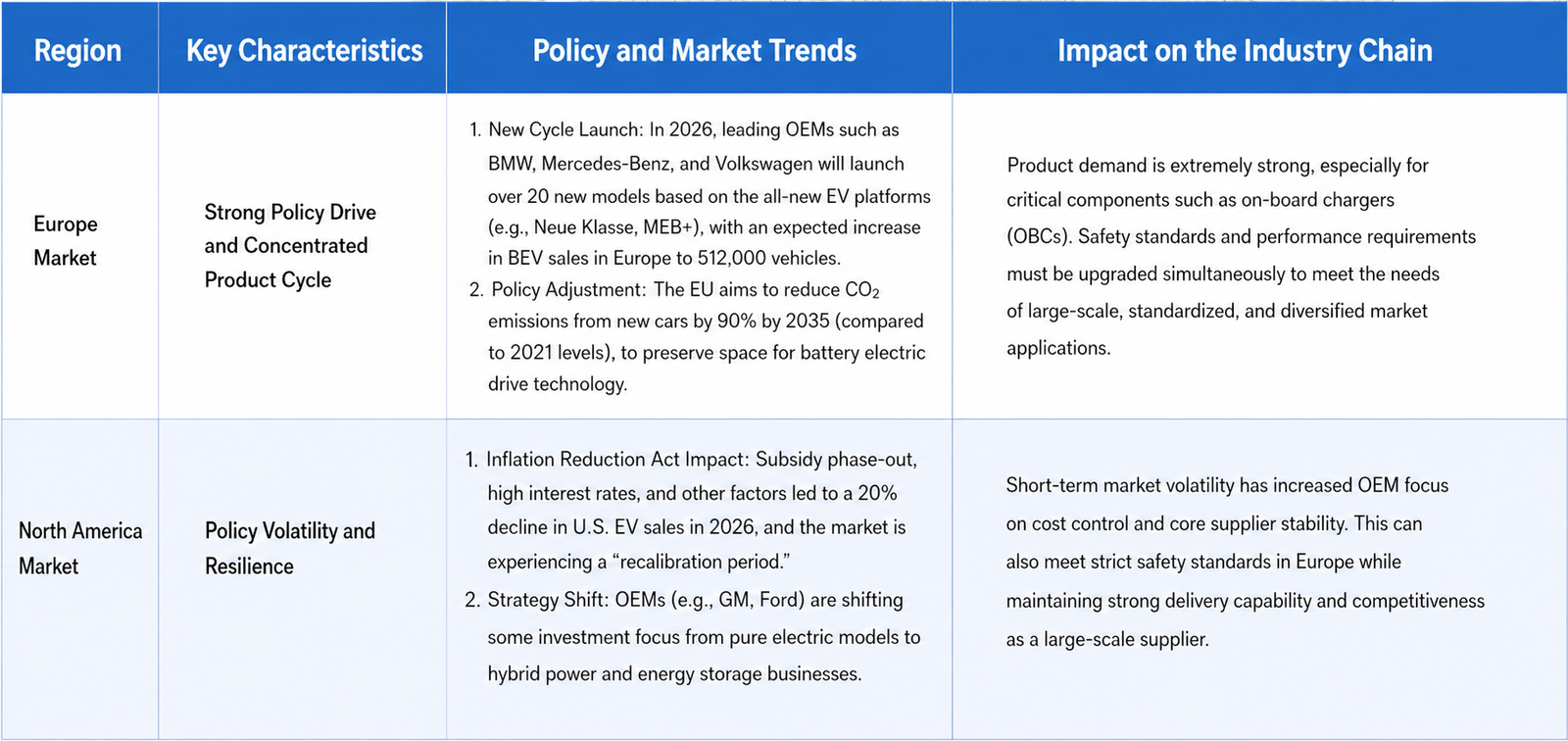
Figure 2: Necessity of RCD Installation in V2X Systems
03 Global Standards: Regional Technical Requirements
Regulatory requirements for EV charging safety vary across regions, forming a diverse set of standards. These standards primarily focus on leakage current thresholds, types, and response times.
In Europe, IEC 62955 is the core standard for Mode 3 charging, defining technical requirements for residual DC current detection devices. Meanwhile, IEC 61851-23 specifies vehicle-side monitoring functions required for communication with DC fast chargers.
In North America, the UL 2231 series outlines vehicle-side protection requirements that must operate in coordination with charger insulation monitoring systems.
In China, standards such as GB/T 18487.1 align functionally with the IEC 61851 series.
For EV charging applications, IEC 61851-1 defines two solutions to prevent residual current hazards:
- Type B RCD, or
- Type A RCD combined with 6 mA DC detection
This requires reliable detection of DC leakage currents as low as 6 mA, along with fast response protection.
In practice, different regions and technical approaches adopt different compliance paths, but safety remains the constant priority.
Additionally, the new ISO 5474-2:2024 standard establishes a unified framework for AC charging, including reverse power transfer scenarios (V2L/V2G).
This standard explicitly defines bidirectional applications, emphasizing the importance of onboard self-protection when the vehicle acts as a power source.
It introduces two complementary layers of safety within EVs. To simplify understanding:
- Leakage current sensing (RCD/RCM) acts as a “sentinel”
- Insulation monitoring (IMD) acts as a “doctor”
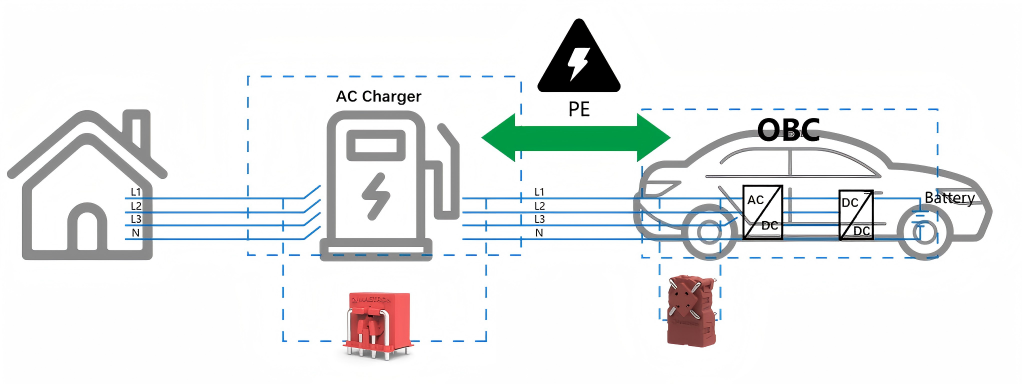
Figure 3: Distribution of RCD and IMD in EV Systems
Whether the system is in AC charging mode or DC fast charging mode, RCD circuits are typically present on the AC side.
RCD and IMD serve different purposes:
- RCD detects insulation faults by monitoring total leakage current
- IMD evaluates insulation resistance
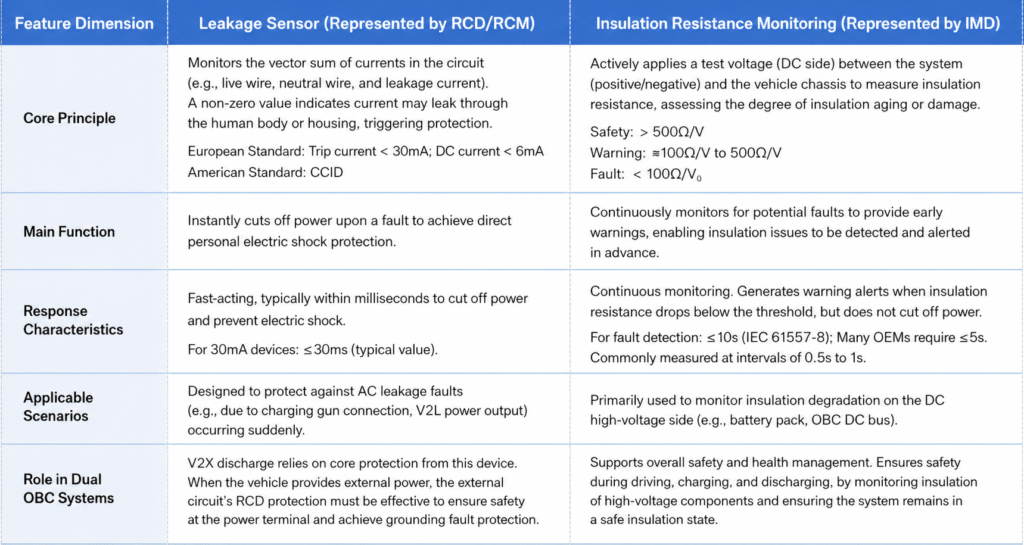
Table 2: Comparison Between RCD and IMD
04 Juci Magnetics: Innovative Solutions for Precision Detection
In response to increasingly stringent global standards and complex application scenarios, Zhejiang Juci Magnetics Technology Co., Ltd. has developed leakage current detection solutions for both single-phase and three-phase onboard OBC systems.
These solutions have already achieved mass production deployment with leading international Tier 1 customers, demonstrating strong competitiveness in performance, reliability, and cost efficiency.
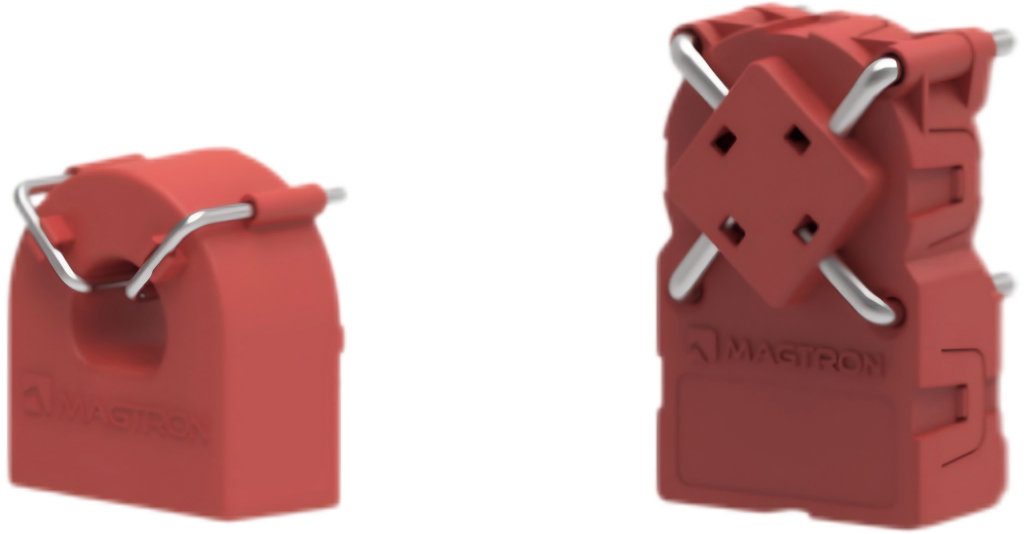
Figure 4: 1-Phase and 3-Phase Onboard RCD Solutions
Core Technology Architecture
Built on proprietary iFluxgate technology and highly integrated SoC chips, enabling full integration of sensing, processing, and communication.
Key Performance Metrics
High accuracy, high reliability, and strong adaptability across diverse application scenarios, meeting the most stringent safety standards.
Functional Features
Selected models include self-check functionality, aligned with automotive functional safety design principles.
Compliance and Quality
Certified under IATF 16949 automotive quality management systems. Designs comply with European (IEC/EN) and North American (UL) standards.
Component Qualification
AEC-Q certified, meeting automotive-grade requirements.
Manufacturing Excellence
Fully automated production lines with end-to-end MES traceability.
With over a decade of expertise in magnetic sensing technology, Juci Magnetics delivers robust electrical safety solutions for the global EV industry. Its high-performance leakage current sensors, powered by fully proprietary chip designs, not only meet Europe’s stringent Type A + 6 mA DC detection requirements but also comply with North American CCID standards—enabling dual-standard compliance with a single solution.